
Roof scope
The scope describes damaged material, the work needed to access it and the compatible replacement details. A temporary tarp or sealant is not the same as restoring the roof assembly.
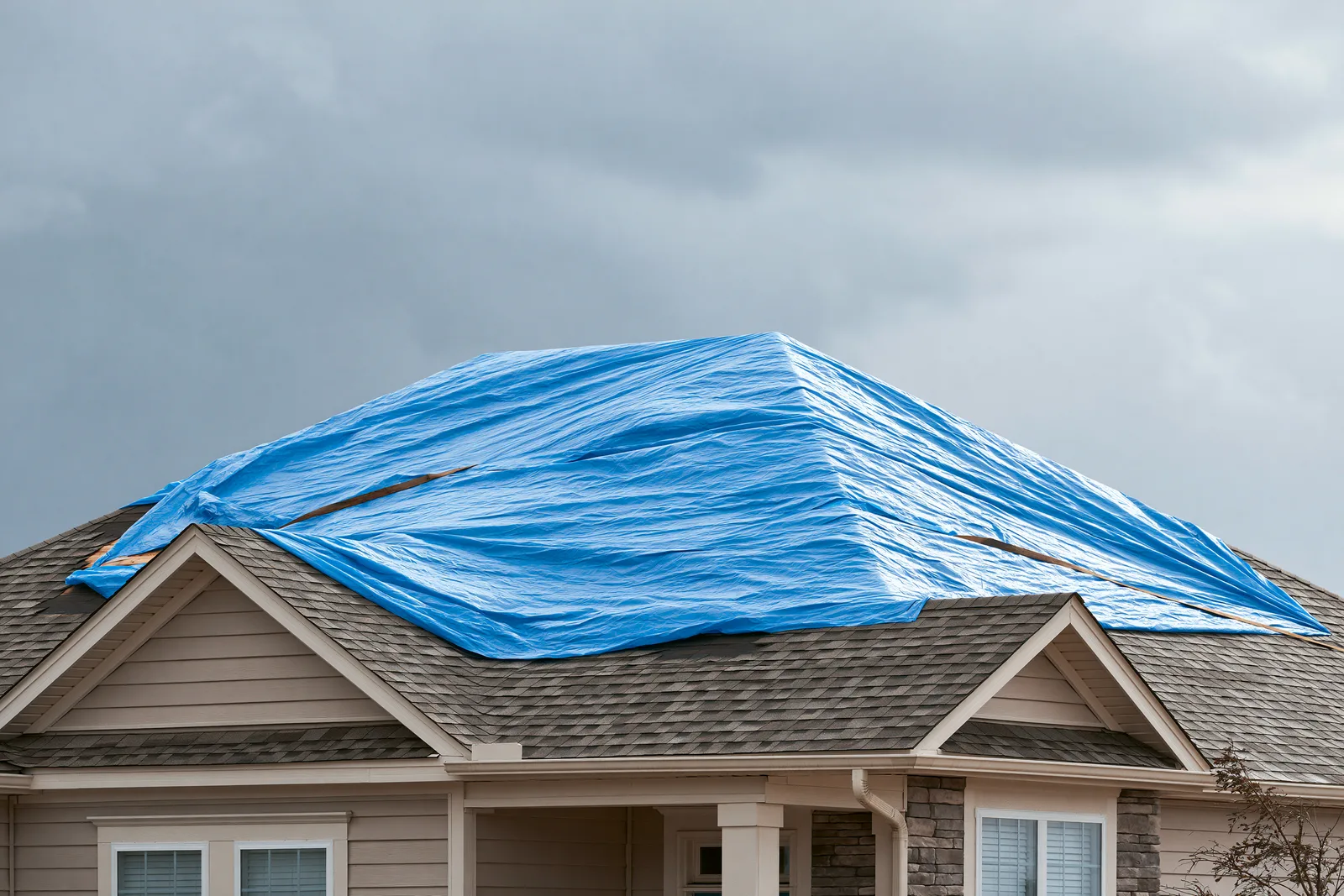
Wind can lift or crease shingles and disturb edge and flashing details. Hail can affect the covering and exposed components without creating an immediate indoor drip. Similar-looking marks can have other causes, so the inspection matters.
The roof assessment looks at the type and spread of damage and the condition of the material around it. A date or nearby storm report gives context. It cannot establish what happened to a particular roof.
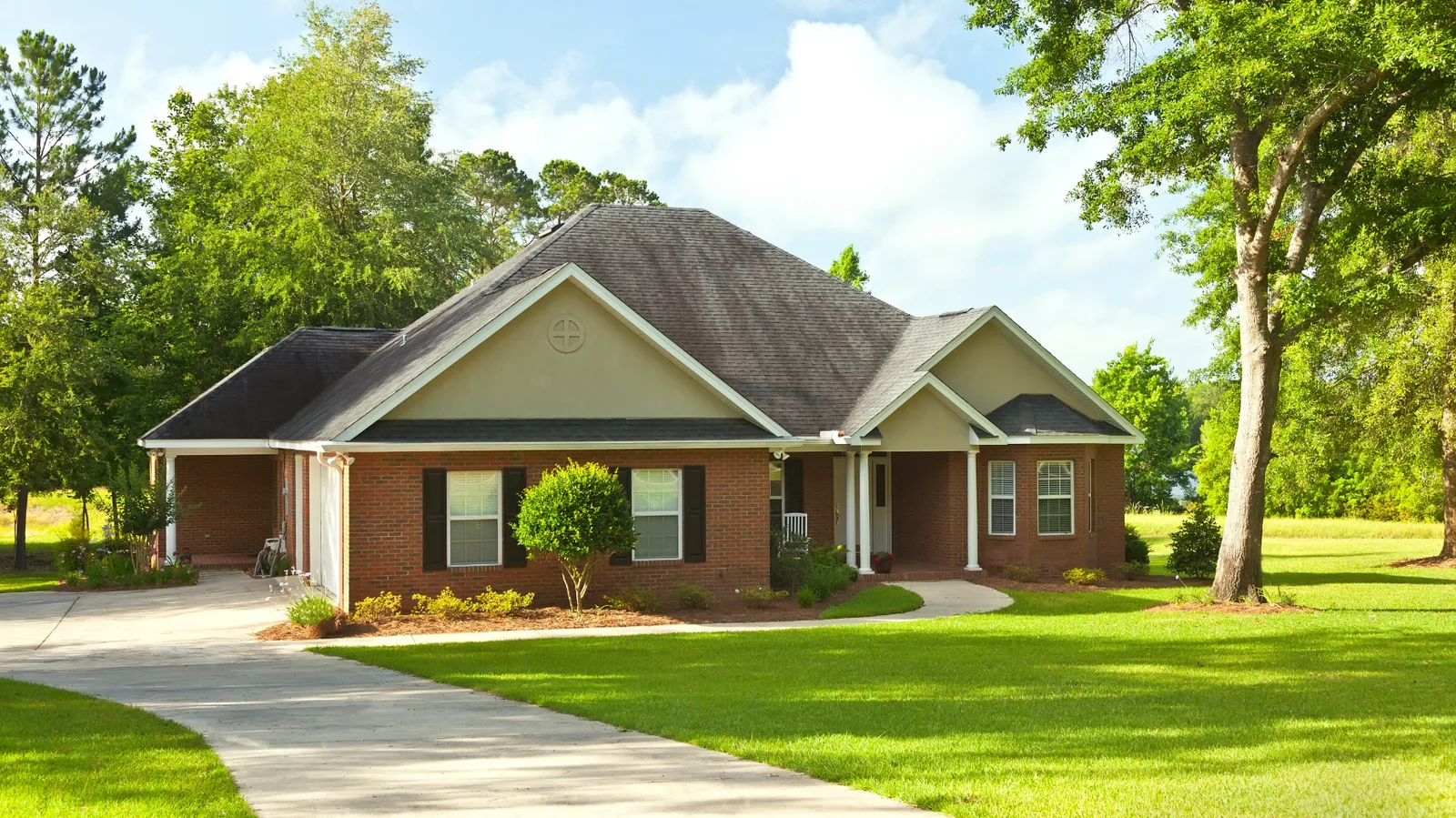
Temporary protection and completed roofing work have different jobs.
If water is entering, call and say so. Keep clear of sagging ceilings and wet electrical fixtures. Safe temporary protection can limit further exposure while the permanent scope is developed.
The covering, flashing, edges and roof openings need attention. Damage below removed material can alter the scope, especially when water has reached the fastening base.
An isolated area may be repaired where it can join sound roof. Widespread damage or brittle adjacent shingles can make replacement the more workable solution.
The roof determines the physical work; the policy determines a claim payment.
The scope describes damaged material, the work needed to access it and the compatible replacement details. A temporary tarp or sealant is not the same as restoring the roof assembly.
Coverage, deductibles, depreciation and exclusions belong to the insurance policy and claim review. An inspection or a storm date does not guarantee a roof replacement payment.

Start with what changed after the storm. You do not need to identify the damaged material yourself. Call (816) 837-4667 or request a free inspection.
Call (816) 837-4667