
Decking
The wood base supports the roof and holds fasteners. Deteriorated sheets need correction before a new covering can rely on them.
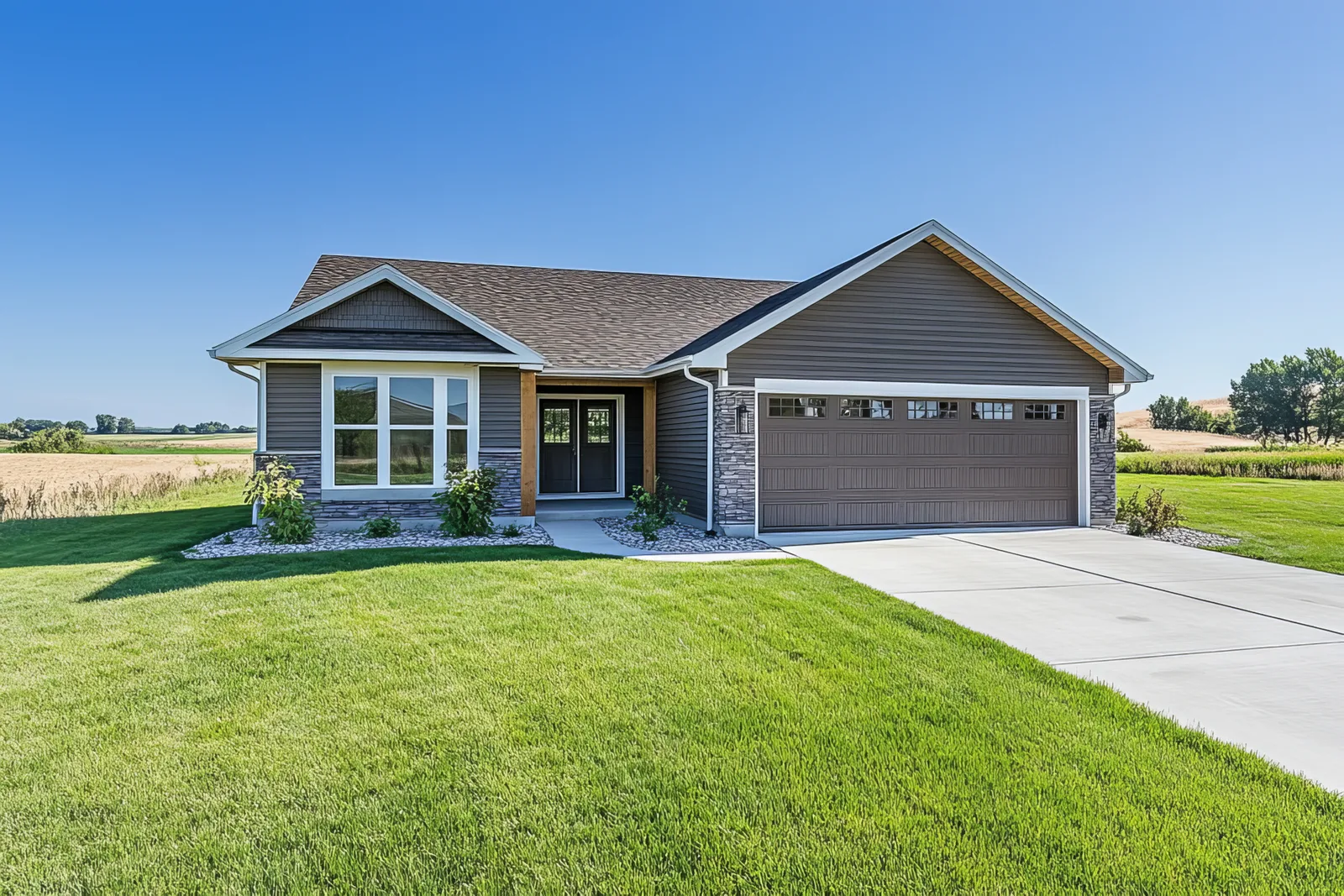
The covering handles normal water flow, while details at walls, valleys and openings route it around interruptions. Underlayment supports the covering, but it cannot make every failed intersection watertight by itself.
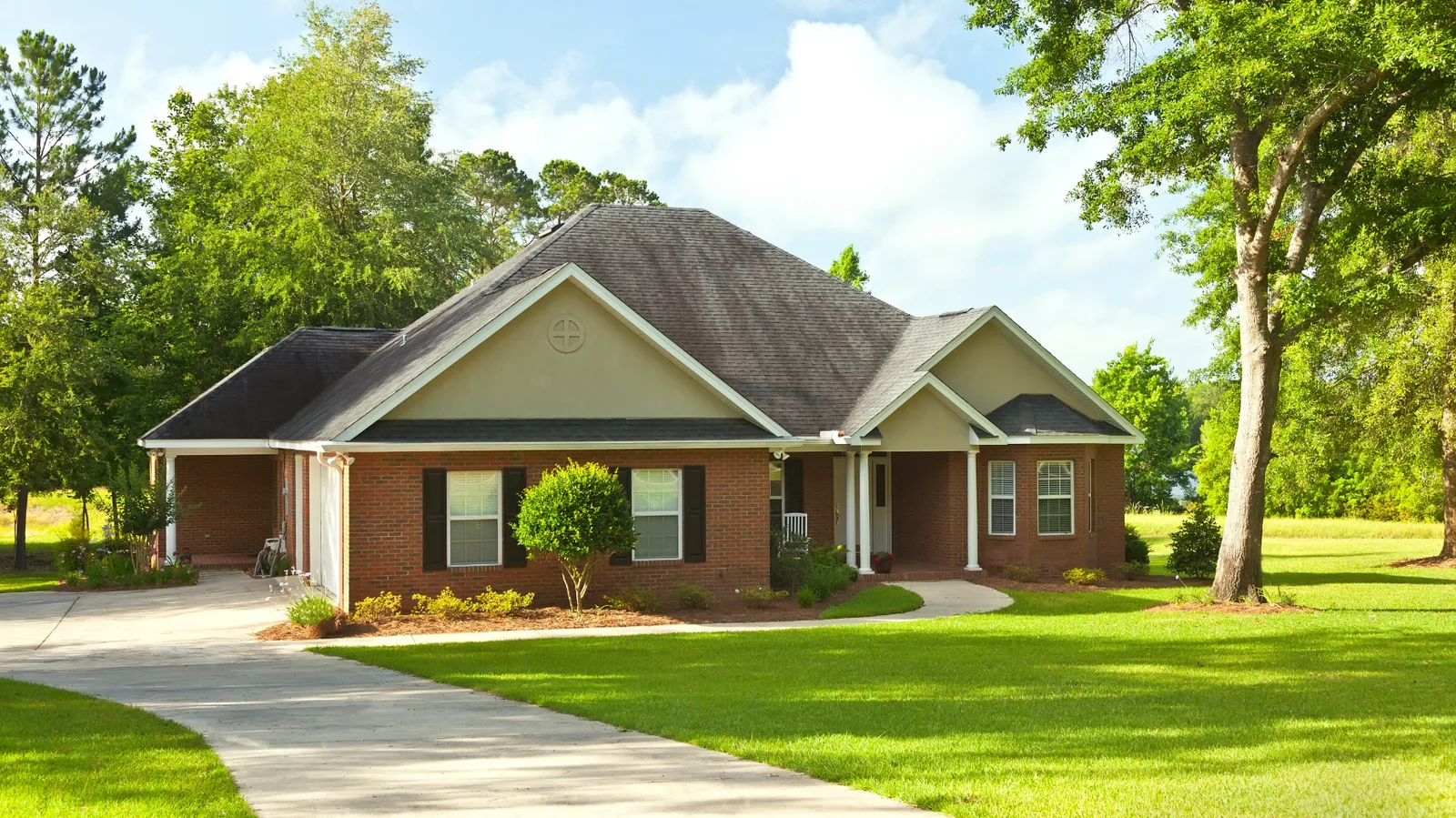
Each part has a different job.
The wood base supports the roof and holds fasteners. Deteriorated sheets need correction before a new covering can rely on them.
These layers support the water-shedding system and protect specified locations. Their laps and transitions need to align with the way water moves.
Courses overlap from the eave upward. Starter, ridge and compatible fasteners complete edges and high points rather than leaving them as afterthoughts.
A wall, chimney or pipe interrupts the covering. Flashing bridges the intersection and directs water onto the next weathering surface.
The concealed connection matters as much as the visible metal. A bead of sealant across the exposed joint cannot replace a proper overlap behind it, and water can follow the underlying structure before it appears inside.
Request a free roof inspection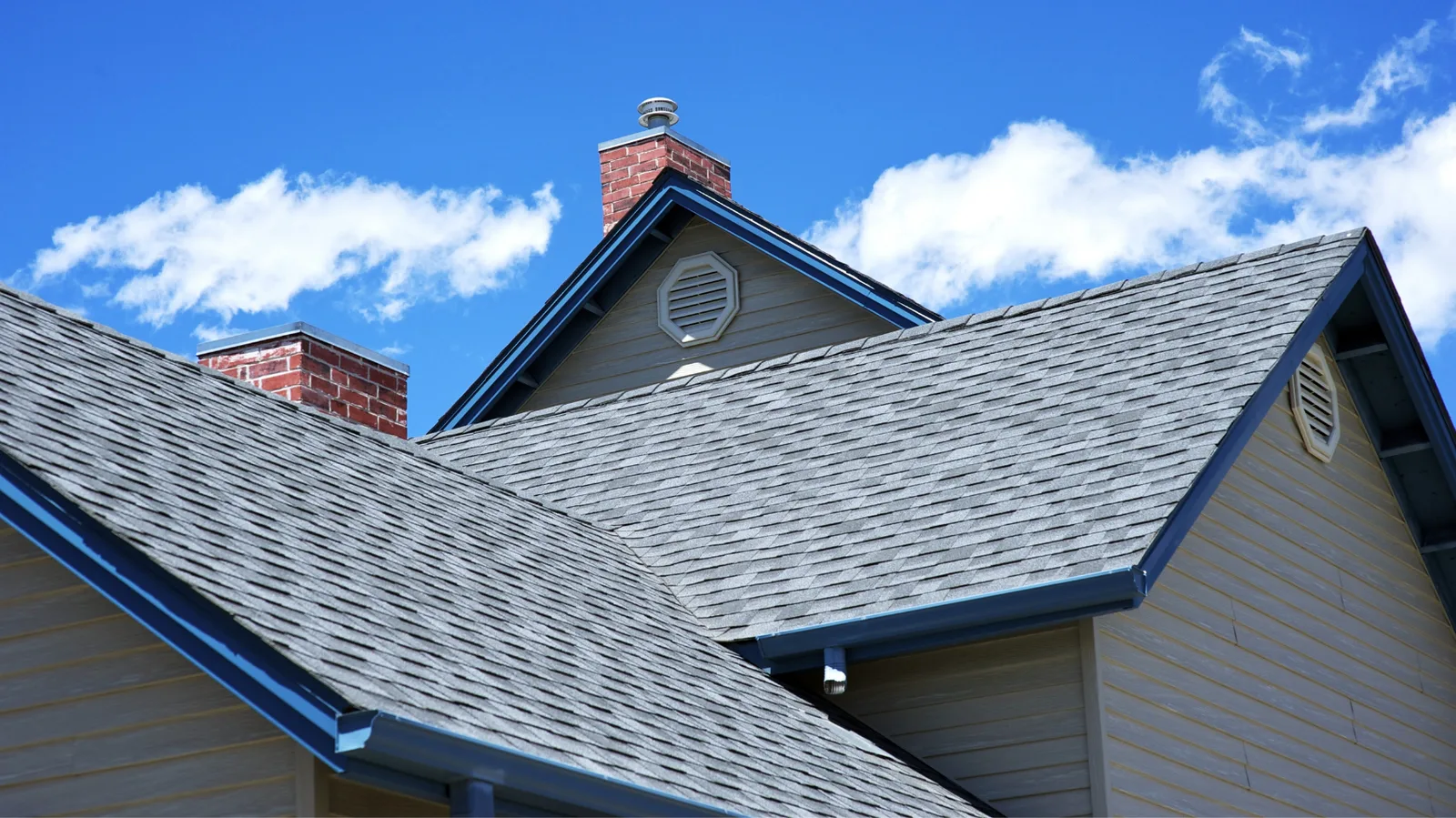
Similar indoor marks can come from different conditions.
An opening in covering or flashing admits water from outside. The repair follows the water path to its source.
Indoor moisture and a blocked attic airflow path can contribute to condensation. Ventilation, insulation and moisture sources need to be considered separately from roof covering repairs.
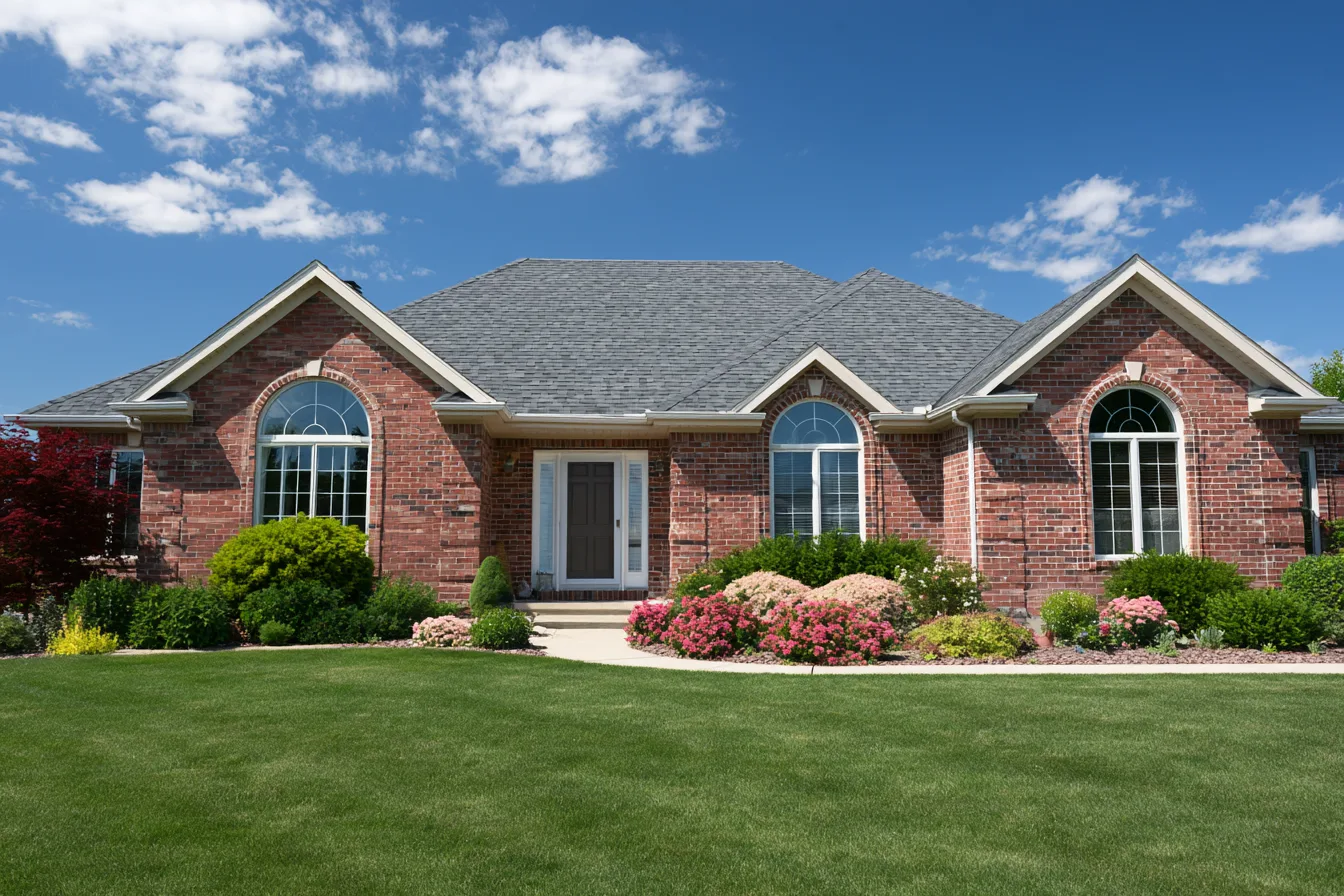
Call about the symptom you have noticed. The inspection can work back to the detail that needs attention. Call (816) 837-4667 or request a free inspection.
Call (816) 837-4667