
Drainage paths
Drains, scuppers and gutters need clear flow paths. Debris, displaced strainers and recurring standing water can expose a detail to water for longer than intended.
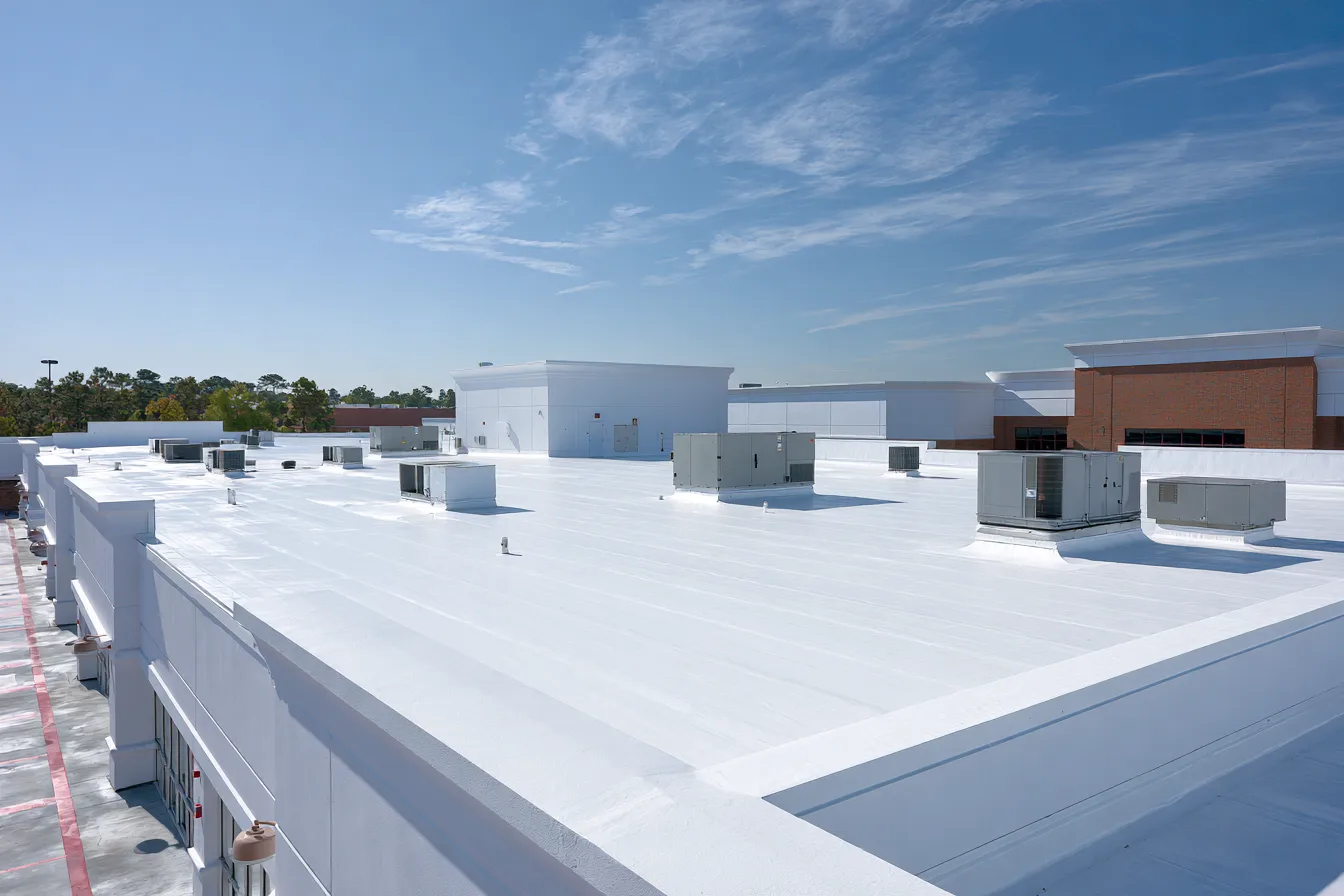
Inspection concentrates on the details that can change with weather, service work and roof movement.
Drains, scuppers and gutters need clear flow paths. Debris, displaced strainers and recurring standing water can expose a detail to water for longer than intended.
Seams, edges, curbs and penetrations need a look for openings, movement and deterioration. Repairs must use compatible materials and suitable preparation for the existing system.
Equipment technicians and roof access can affect the surface. Suitable walk paths, care around stored parts and prompt attention to punctures protect the roof’s working areas.
A useful roof file records the system, known repairs and recurring concerns. It helps distinguish a new isolated problem from one that returns at the same location or spreads across the building.
Maintenance cannot make a failing assembly new. Increasing repair area, wet insulation or deteriorated attachment can be reasons to shift from reactive work toward replacement planning. The inspection schedule should suit the system, building use and actual conditions rather than an invented universal interval.
Request a free roof inspection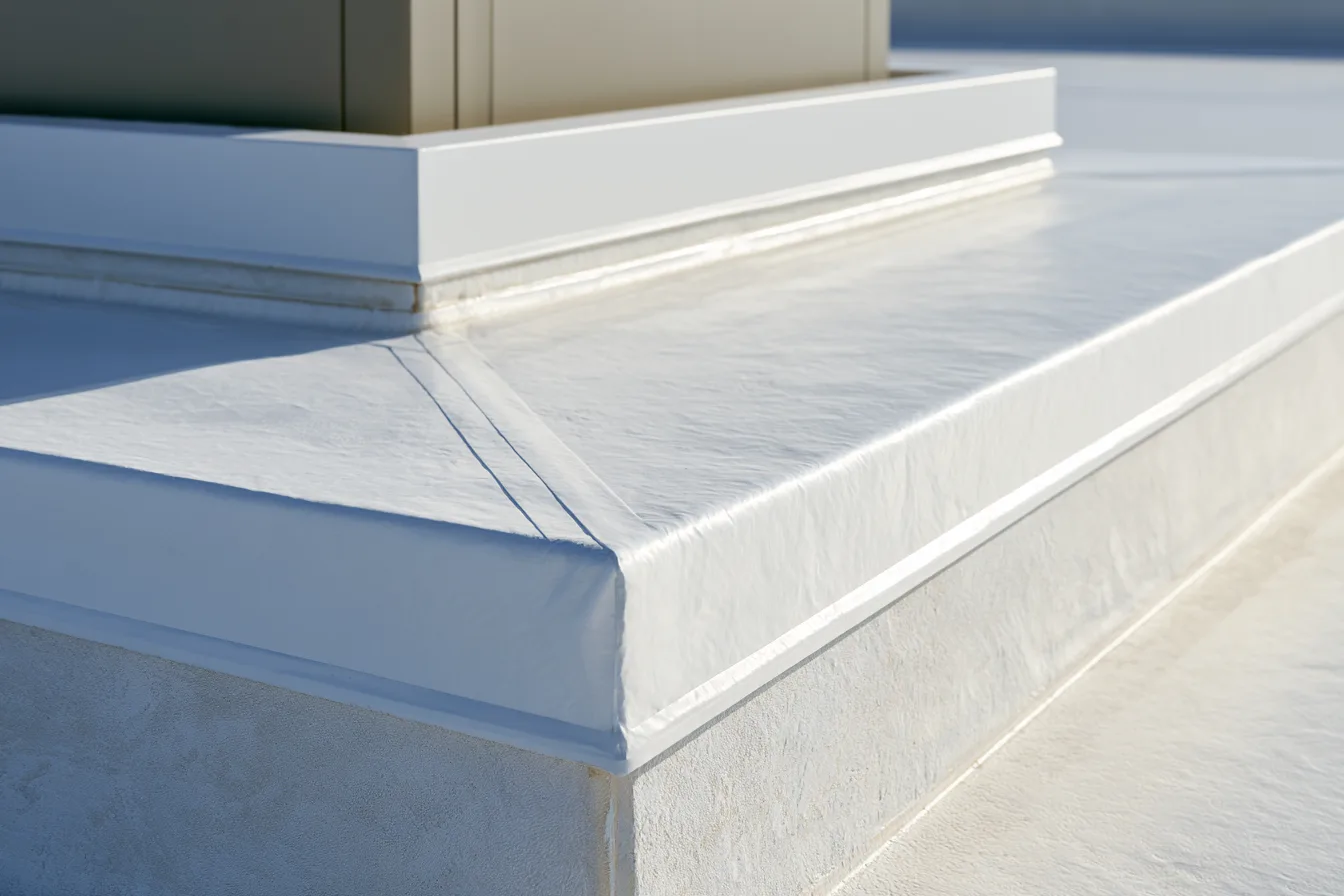
Both matter, but they solve different problems.
Clearing drainage, repairing a defined opening and attending to service damage can preserve useful roof function. The work needs to be recorded and revisited if the symptom returns.
A system with broad moisture or material failure needs a wider scope. Budget planning should include removal, insulation, drains, equipment coordination and occupant needs.

Tell us the roof concern, building use and any known repair history. Call (816) 837-4667 or request a free inspection.
Call (816) 837-4667