
Architectural shingles
Laminated layers create shadow and depth. Color blends can look different on a large roof than on a small sample, particularly beside brick, stone and trim.
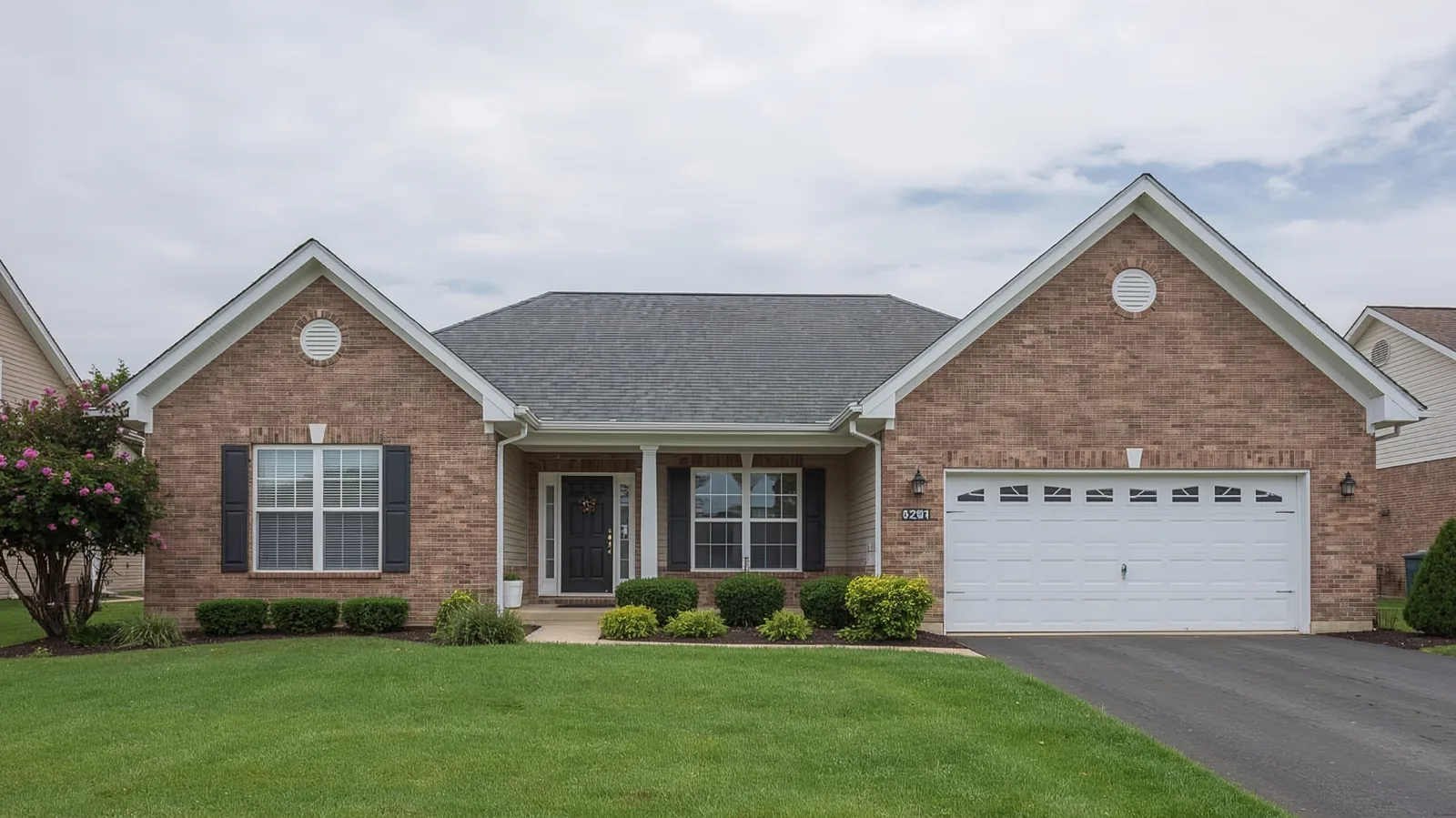
Shingles shed water through overlapping courses. Each course needs the correct exposure and fastening, while starter and ridge materials finish the edges of the system.
A dimensional architectural shingle is a covering choice, not the entire roof design. Slope, solid decking, vulnerable intersections and attic airflow need to be resolved with the product. Replacing only the visible shingles can leave an old water-entry detail beneath them.
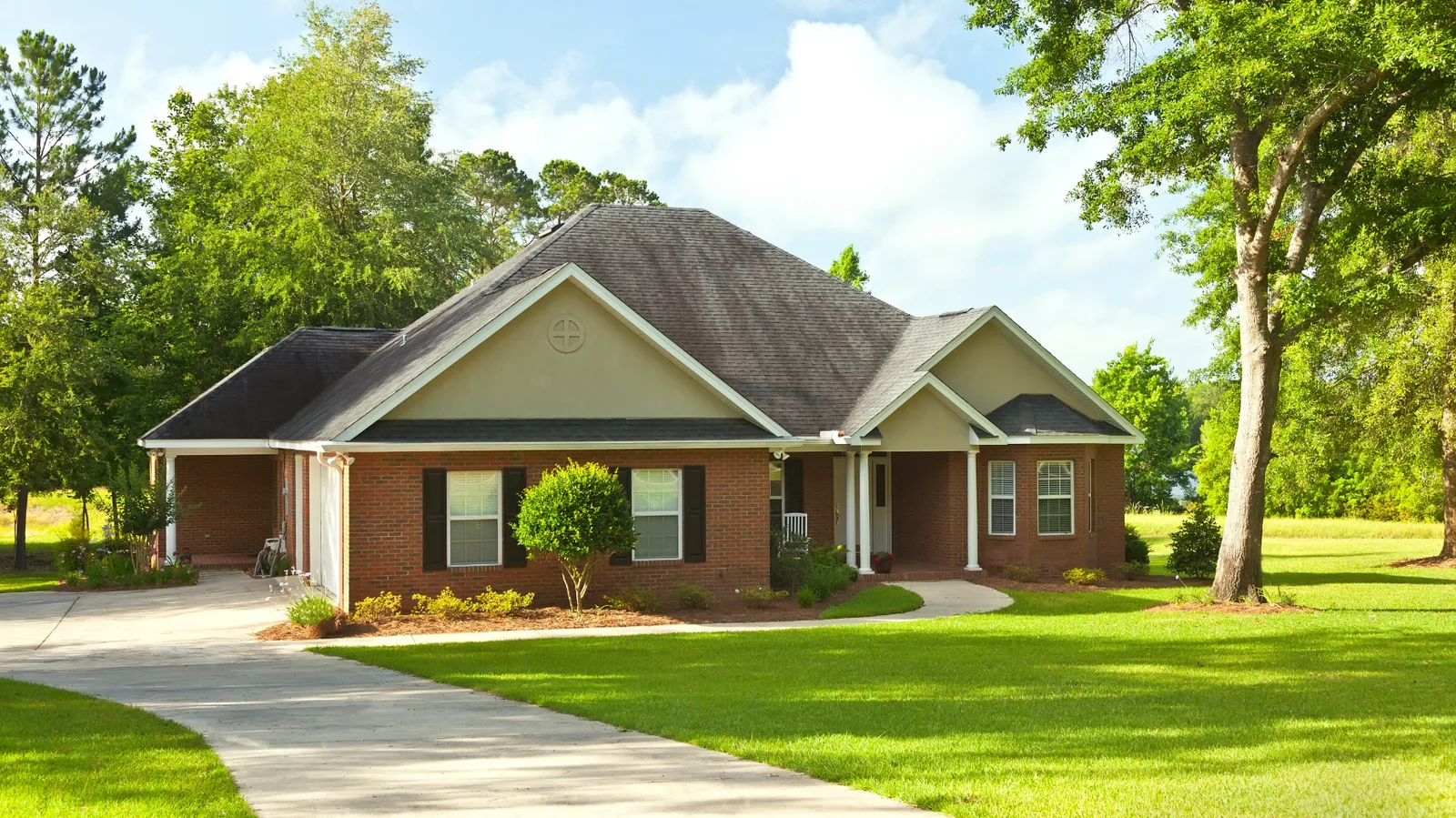
Appearance and tested performance should be considered separately.
Laminated layers create shadow and depth. Color blends can look different on a large roof than on a small sample, particularly beside brick, stone and trim.
An impact classification describes performance in a specified test. It does not mean hail cannot damage the roof or that an insurer will provide a discount. Installation details and policy terms remain separate.
Thicker or shaped products can change the visual scale and installation details. The chosen product must suit the roof and its required starter, ridge and flashing components.
The layers below and around shingles influence their performance.
Weak or deteriorated deck material needs attention before the new covering. An overlay can hide that condition and complicate flashing connections.
Valleys, eaves, walls and openings concentrate water. Underlayment and flashing need compatible overlaps at those points, with details suited to the selected system.
A localized repair depends on whether adjacent shingles remain workable. Age, brittleness and unavailable products can affect repair size and visual matching.
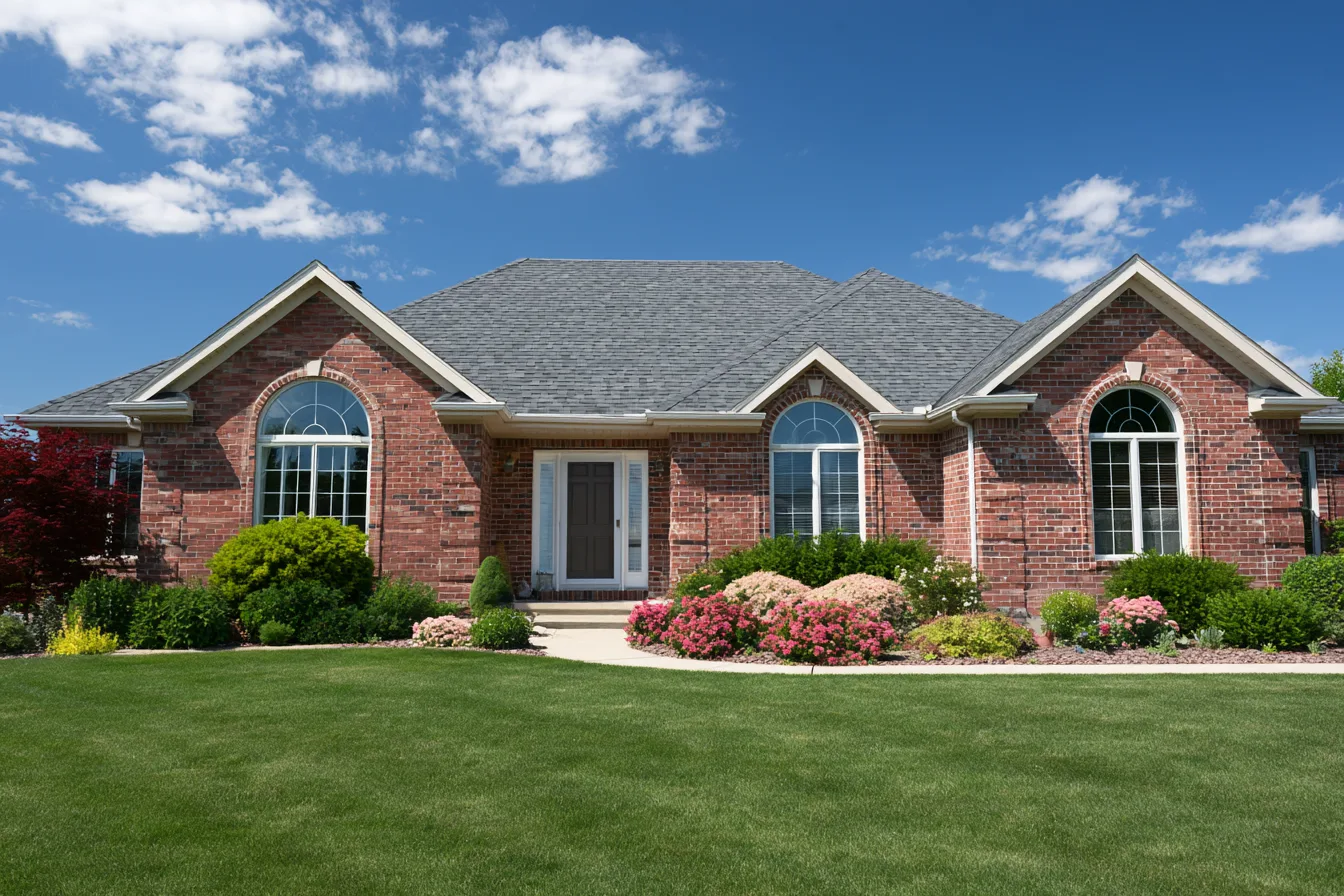
Request a free inspection for repair or replacement. We can start with the condition of your current roof. Call (816) 837-4667 or request a free inspection.
Call (816) 837-4667