
Intake at the lower roof
Air needs a usable entry path. Blocked soffit openings or insulation packed into the eaves can interrupt it even when the vent cover appears intact.
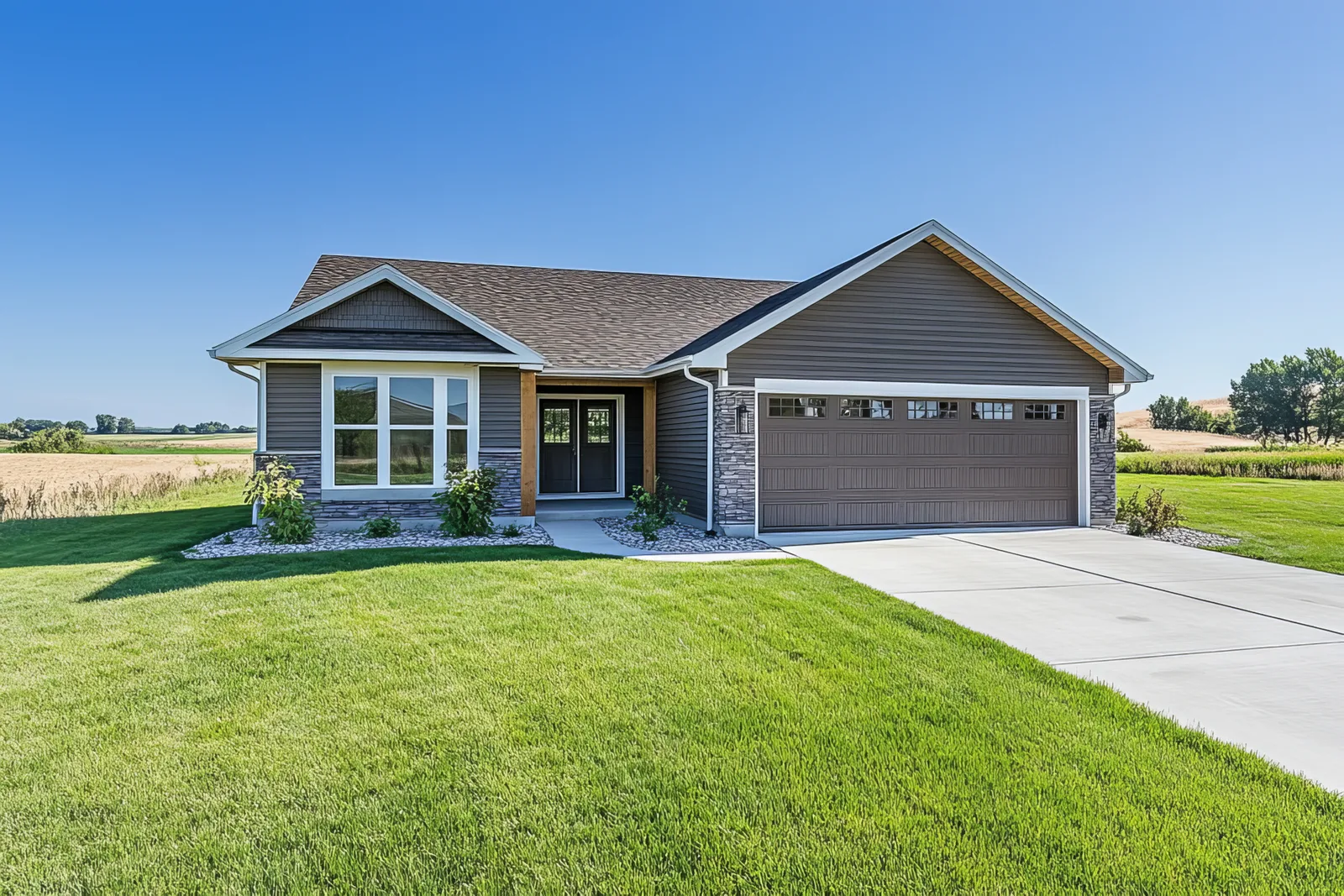
An exhaust opening cannot draw useful airflow through a blocked intake. Soffit pathways, insulation placement, attic partitions and roof geometry all affect whether the intake and exhaust work together.
Ventilation is also separate from stopping water at the covering. Condensation and a roof leak can leave similar indoor evidence, but require different corrections. The inspection needs to consider the source rather than assume every moisture mark needs more vents.

Replacement can make some ventilation changes easier to coordinate.
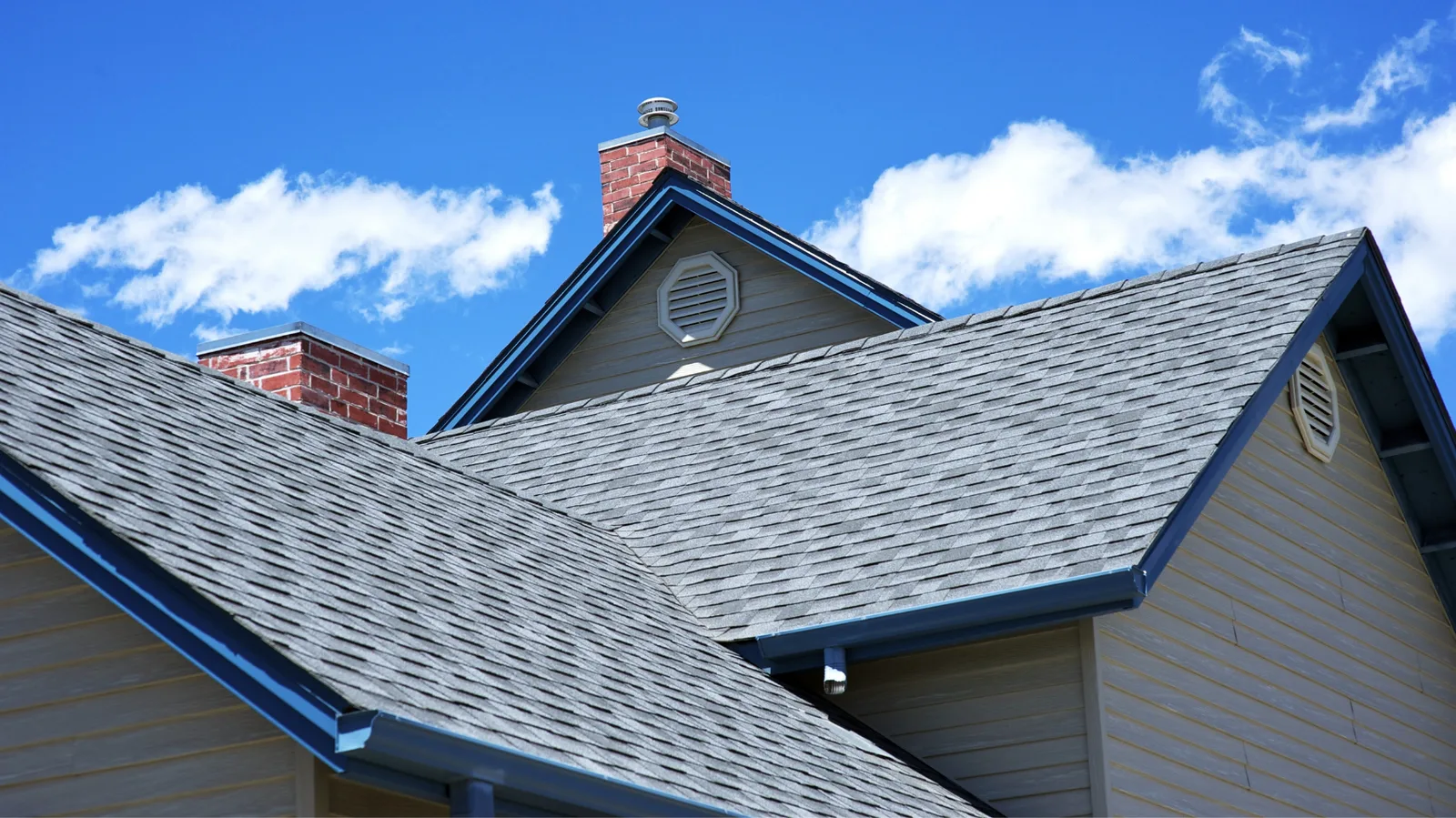
Air needs a usable entry path. Blocked soffit openings or insulation packed into the eaves can interrupt it even when the vent cover appears intact.
Ridge or other exhaust designs must suit the roof and the available intake. Mixing exhaust types without a plan can change airflow in unintended ways.
Separate attic spaces, additions and short ridge lengths can require different solutions. The goal is a balanced system suited to the actual structure and applicable requirements.
A damaged component and an airflow design problem are different scopes.
A damaged vent or leaking flashing may need replacement and proper connection to the roof covering. This addresses the opening without assuming the entire ventilation design is wrong.
A lack of intake or blocked passages needs work beyond a new exhaust product. Insulation and indoor moisture sources may also affect the condition.

Tell us about the moisture concern or include ventilation in your replacement plans. Call (816) 837-4667 or request a free inspection.
Call (816) 837-4667