
Asphalt shingles
An overlapping covering with several profiles and color blends. Solid decking, suitable slope, fastening and coordinated edge and flashing details support the system.
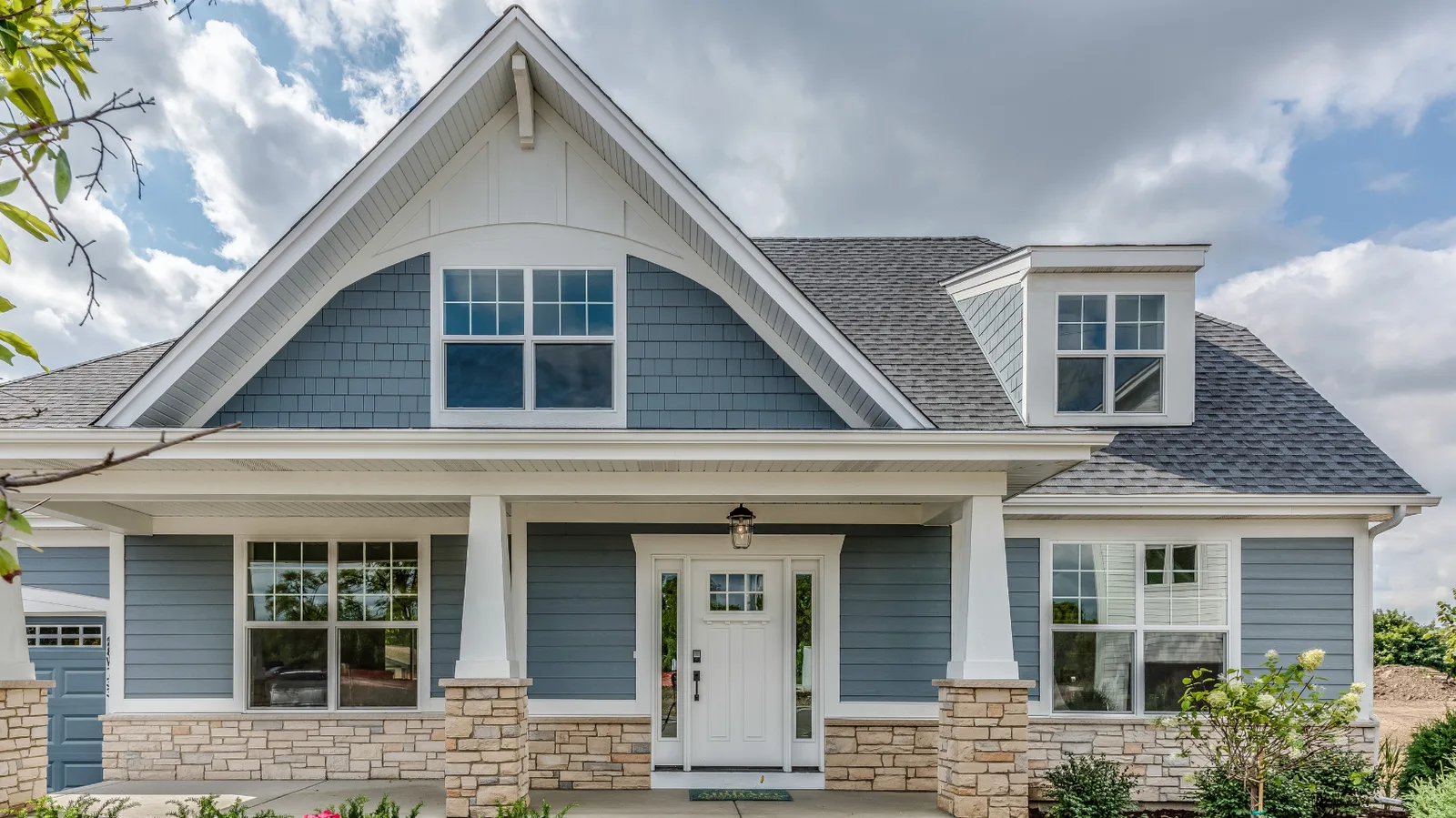
Steep-slope coverings shed water through laps and profiles. Low-slope membranes form a continuous waterproof surface. The roof shape and selected assembly determine which approach is suitable.
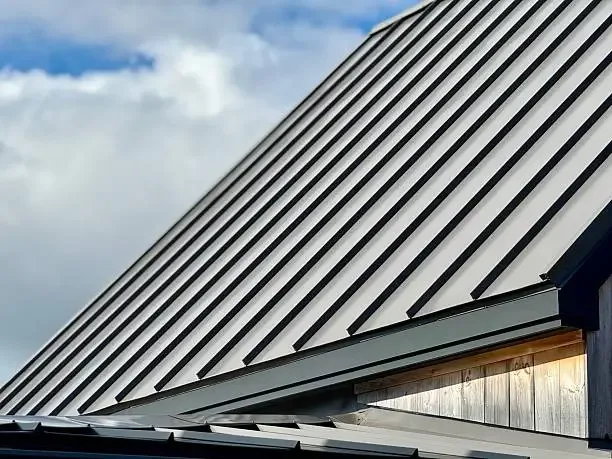
A change of covering can change the details below and around it.
An overlapping covering with several profiles and color blends. Solid decking, suitable slope, fastening and coordinated edge and flashing details support the system.
Panels or shaped products use specific seams, attachments and movement details. Valleys, penetrations and terminations require planning for the selected metal system.
System compatibility matters when planning repairs and replacement.
Thermoplastic sheets use heat-welded seams. Suitable preparation and detail work connect the field membrane to edges, drains and curbs.
Rubber membrane uses compatible adhesive or tape seam systems. Its preparation and repair products differ from those used for thermoplastic roofing.
A coating requires a suitable, dry, stable and compatible existing roof. It does not replace wet insulation or solve failing attachment beneath the surface.
Installation requirements carry beyond the visible material.
Deck condition and system loading need consideration. A change in material is not automatically a like-for-like scope.
Pitch, joints, roof-to-wall connections and expansion determine the suitable details. An attractive profile cannot compensate for an incompatible junction.
Removal, insulation, access and detail work can change cost. Future inspection and repair methods should be understood for the chosen system.
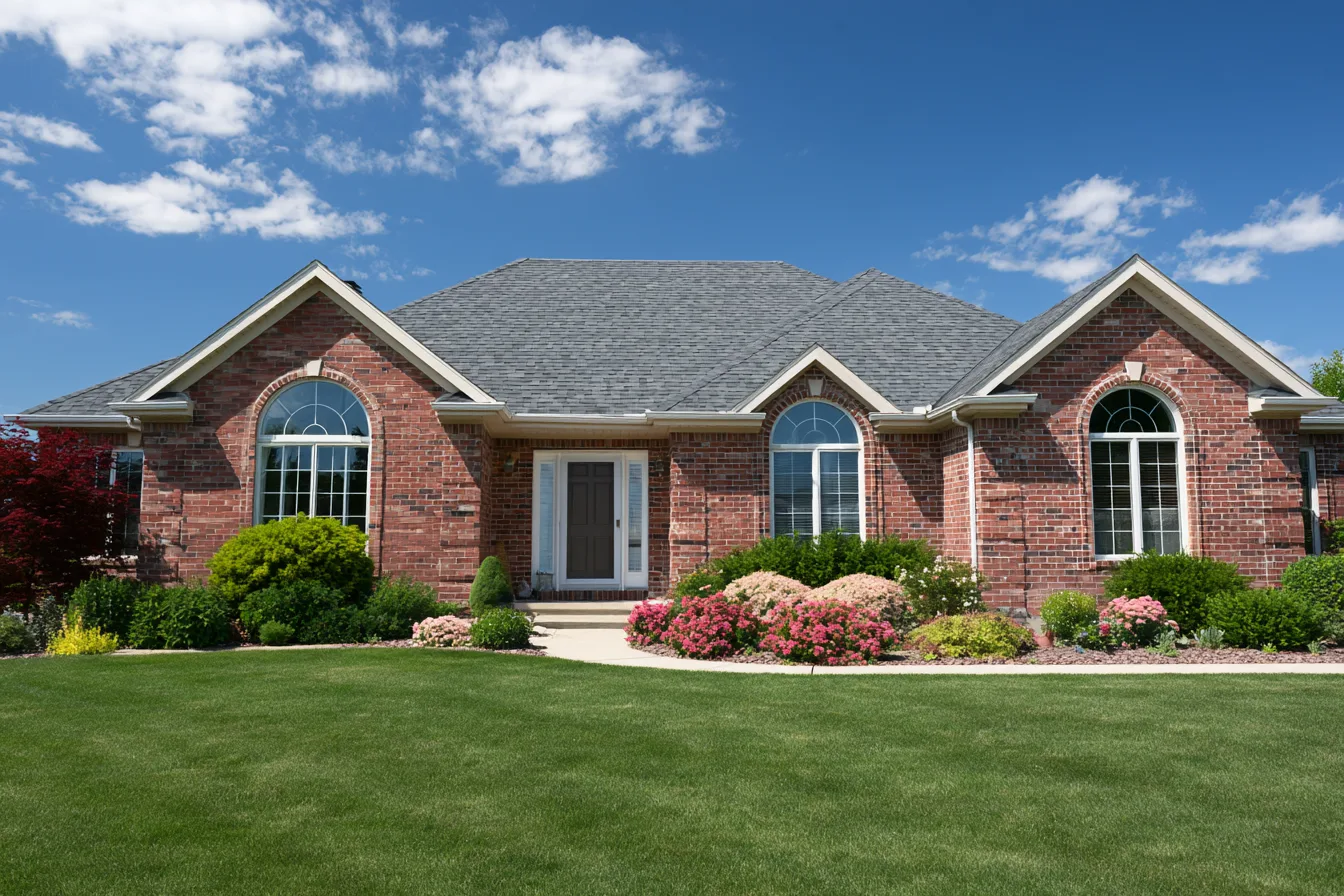
Request a free inspection and tell us whether you are repairing an existing roof or planning a change. Call (816) 837-4667 or request a free inspection.
Call (816) 837-4667