
Repair the failed detail
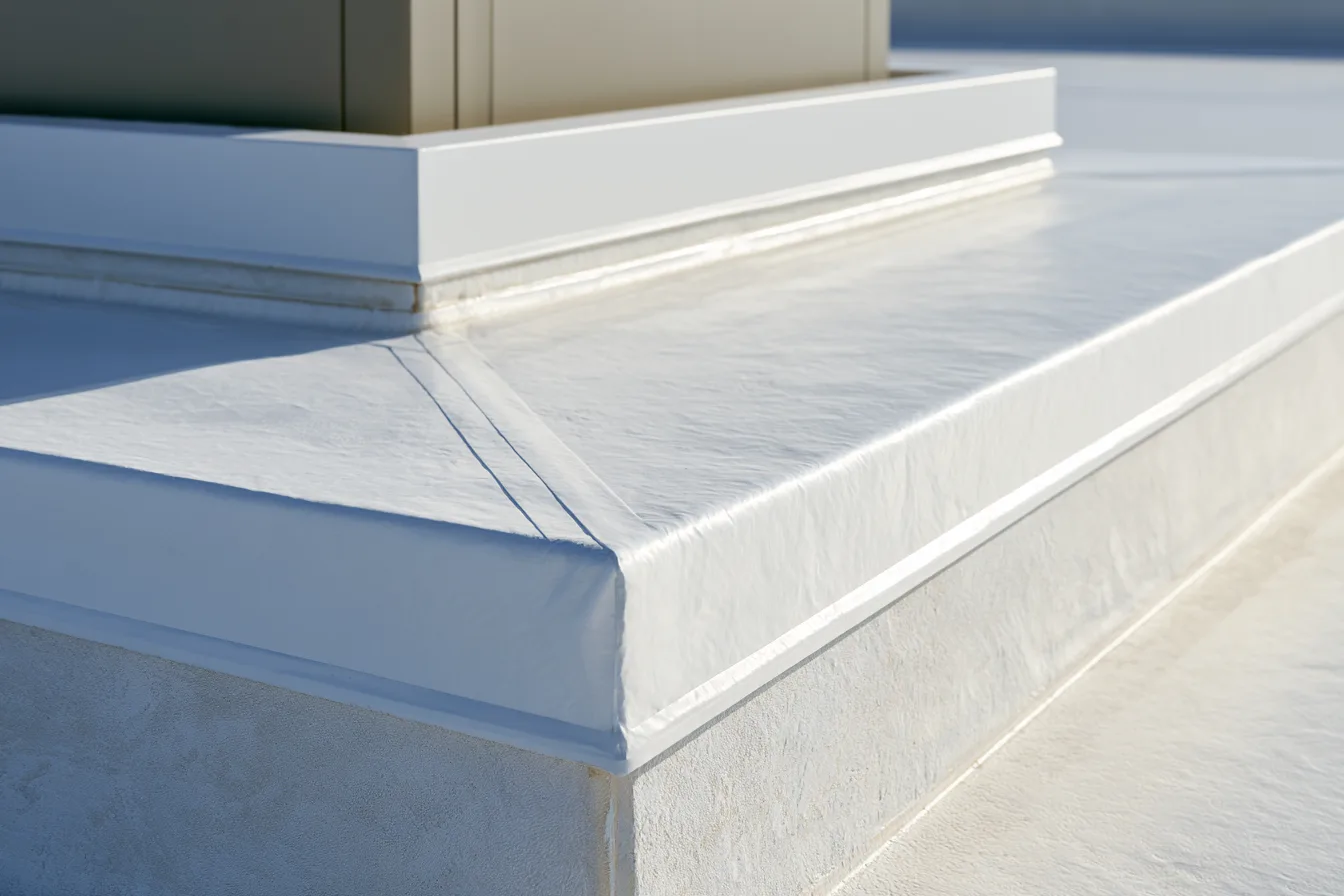
A localized seam, puncture or curb flashing can be repaired when the surrounding roof remains sound and compatible. The repair needs enough clean, serviceable material around the opening to form a reliable connection.
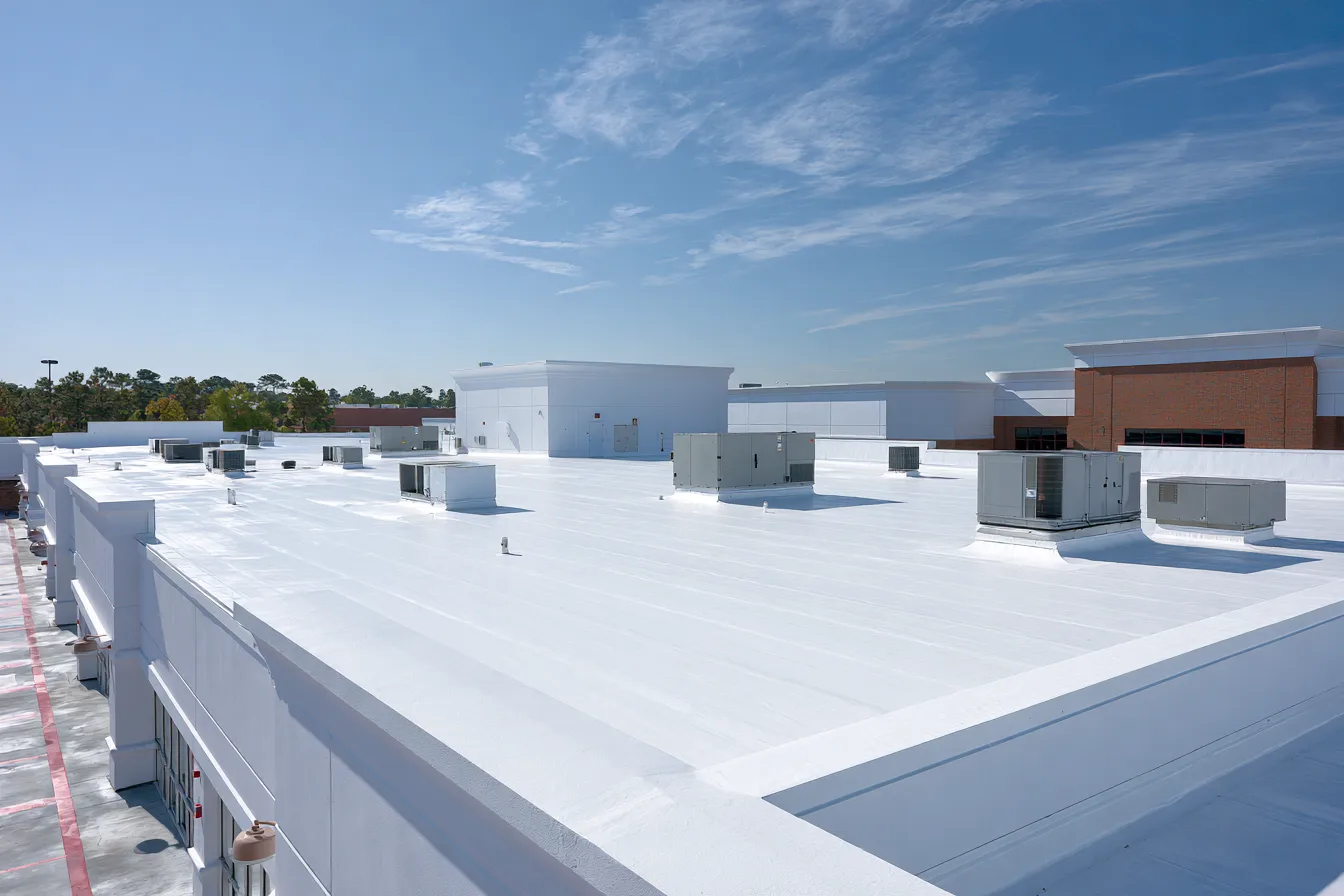
A low-slope roof needs a continuous waterproof surface around every curb, seam and drain. Water appearing inside may come from a roof opening, a failed equipment detail or another building component, so the source must be established before the repair is chosen.
The inspection considers membrane condition, seam integrity, edge attachment and water flow. Wet insulation beneath a surface can make a small visible defect part of a larger repair. Building access, rooftop equipment and occupied spaces also affect how the work can proceed.
These approaches solve different conditions. They are not interchangeable price levels.
A localized seam, puncture or curb flashing can be repaired when the surrounding roof remains sound and compatible. The repair needs enough clean, serviceable material around the opening to form a reliable connection.
A coating may suit a dry, firmly attached and compatible roof after seams and details are prepared. Coating over trapped moisture, active movement or drainage defects carries the same unresolved problems into the new surface.
Widespread deterioration, wet insulation or failing attachment can require removal. Replacement can address insulation and drainage while rebuilding the waterproof surface around the building’s actual penetrations.
The existing material determines compatible preparation, repair and replacement methods.
TPO uses welded thermoplastic seams. Repairs depend on a clean, weldable surface and attention to corners, curbs and penetrations. Aged or contaminated areas may need a different repair boundary.
EPDM is a rubber membrane. Compatible cleaners, primers, seam products and flashing details matter; an adhesive repair approach cannot simply be transferred from another material.
Coatings are specified for particular substrates and conditions. Drainage is a separate roof function: low areas, blocked outlets and equipment runoff must be assessed rather than concealed beneath a new finish.
Find system-specific repair and planning help.
Plan commercial flat roof repair in Pleasant Hill around seams, drains, curbs, moisture beneath the membrane and compatible permanent repairs.
Flat roof repairExplore TPO roofing in Pleasant Hill, including heat-welded seams, attachment, insulation, curb details and repair or replacement planning.
TPO roofingUnderstand EPDM roofing in Pleasant Hill, with rubber membrane seam repairs, compatible flashing, drainage and replacement-scope decisions.
EPDM roofingLearn when commercial roof coatings suit a Pleasant Hill building and why moisture, adhesion, seams and drainage must be resolved first.
Roof coatingsPlan commercial roof maintenance in Pleasant Hill around drainage, equipment traffic, seams and records that support repair and replacement decisions.
Roof maintenanceA workable scope addresses roof condition and property operations together.
Identify the system, map the concern and assess the extent of moisture or deterioration as the roof requires. Repair choices depend on those findings.
Plan access, material staging and protection around entrances, loading routes and equipment. Occupant needs can change sequencing even when the roof area is small.
Separate immediate water-entry work from maintenance and replacement planning. Keep records of repairs, system materials and recurring drainage concerns so the next decision has a better starting point.
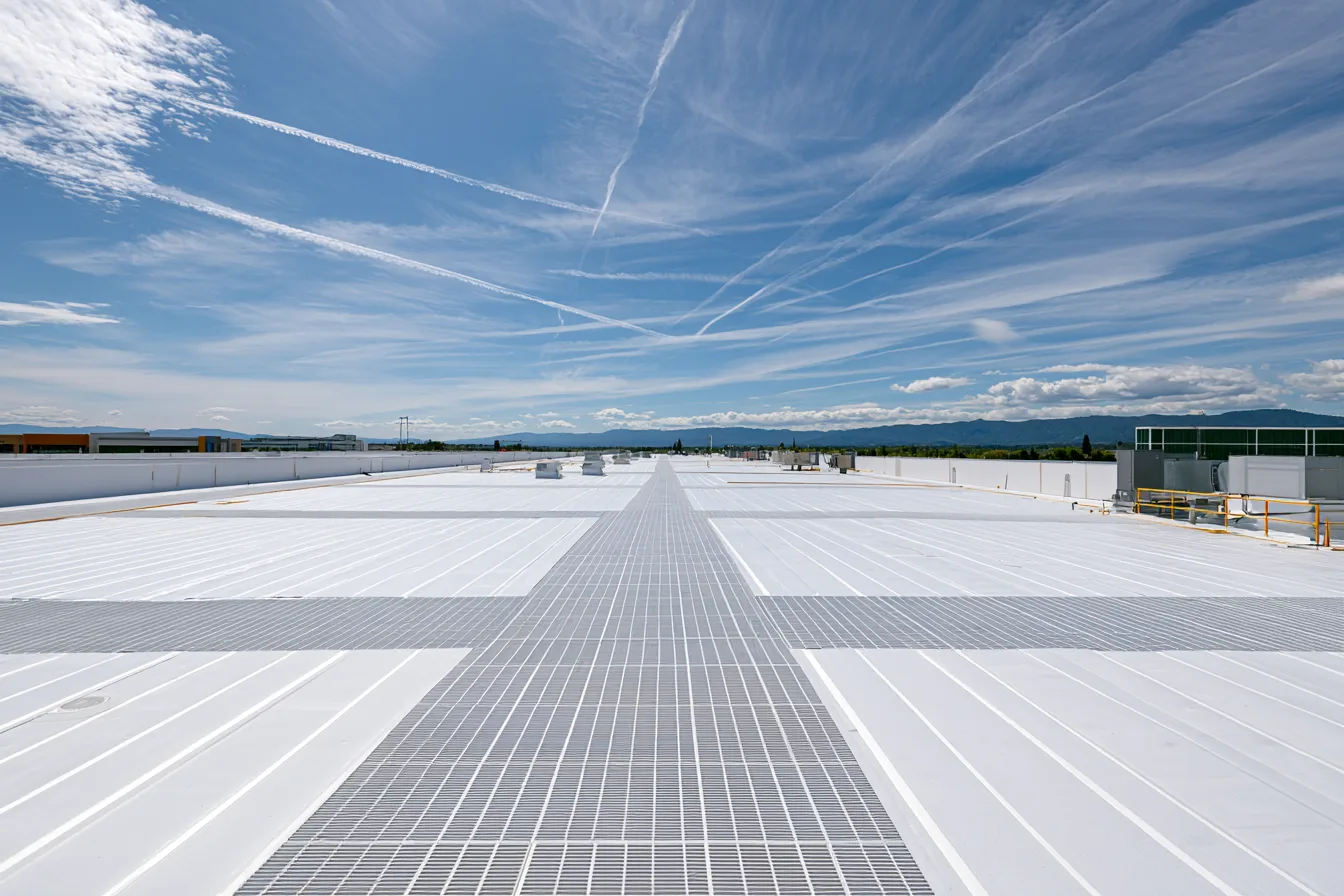
Square footage alone cannot price a commercial roof. Insulation condition, deck type, attachment, drains, rooftop equipment and removal requirements can change both the work and the sequence.
A residential shingle rate does not apply to a TPO, EPDM or coating project. A commercial inspection connects the price discussion to the actual building and the options its roof can support.
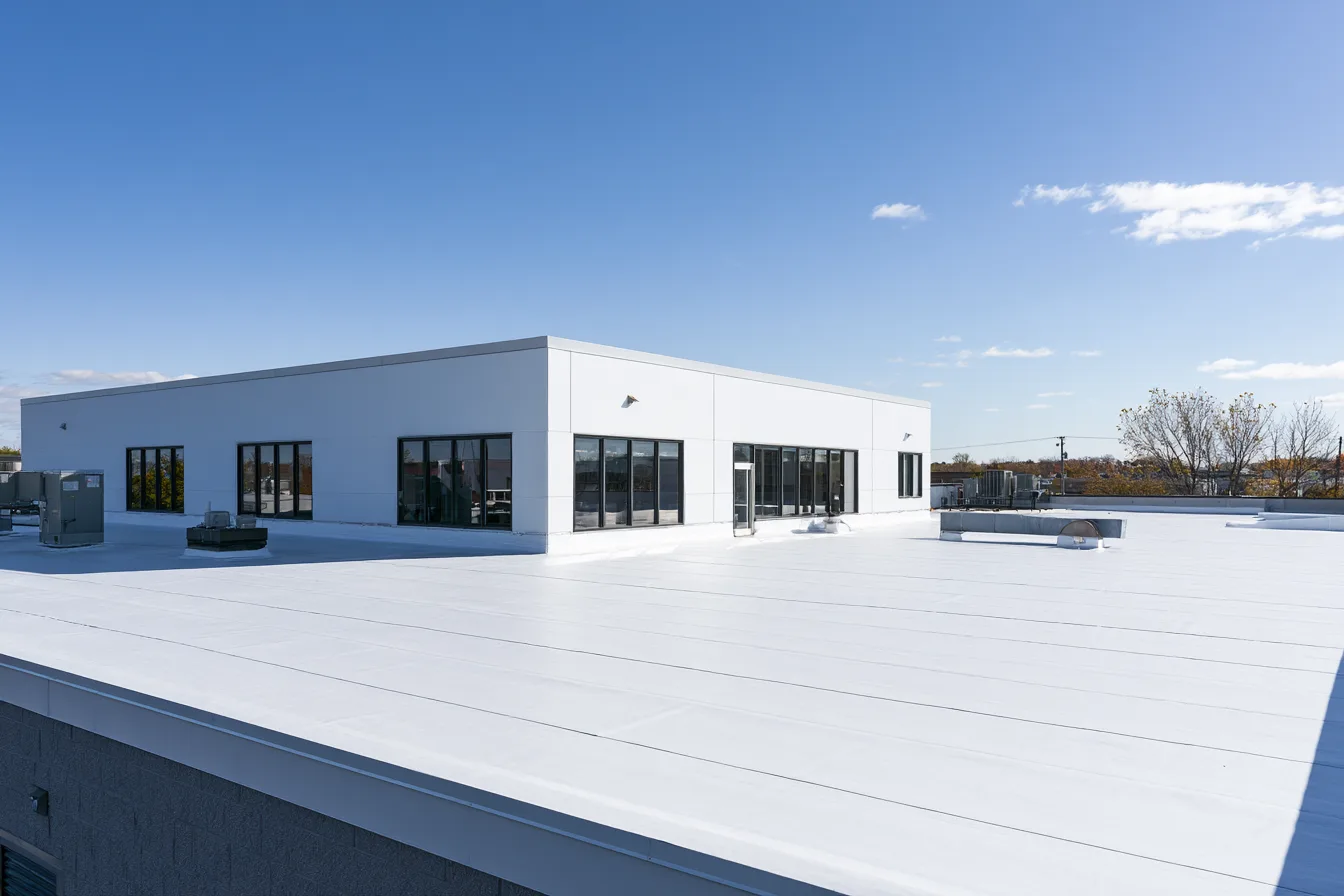
Call (816) 837-4667 or request a free inspection. Include the building’s use, the roof concern and any access or occupant considerations.
Call (816) 837-4667