
Wind-related openings
Lifted or displaced shingles and disturbed flashing can create direct water-entry paths. The repair needs to rebuild the overlaps and attachment rather than cover the exposed spot alone.
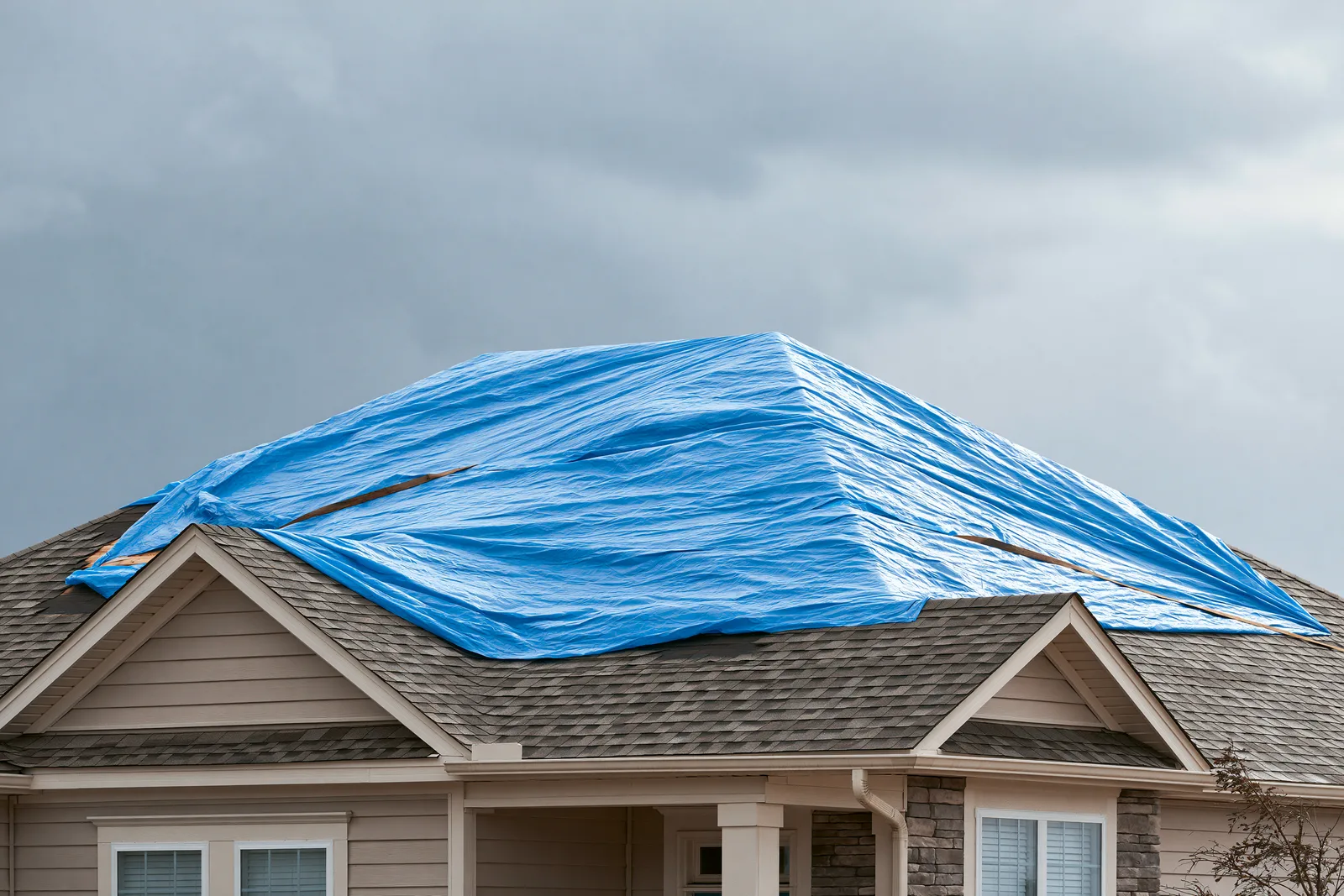
A nearby weather report can help establish a date for the inspection. It does not show a storm track across a property or prove roof damage. The roof’s condition and the observed failure determine the work.
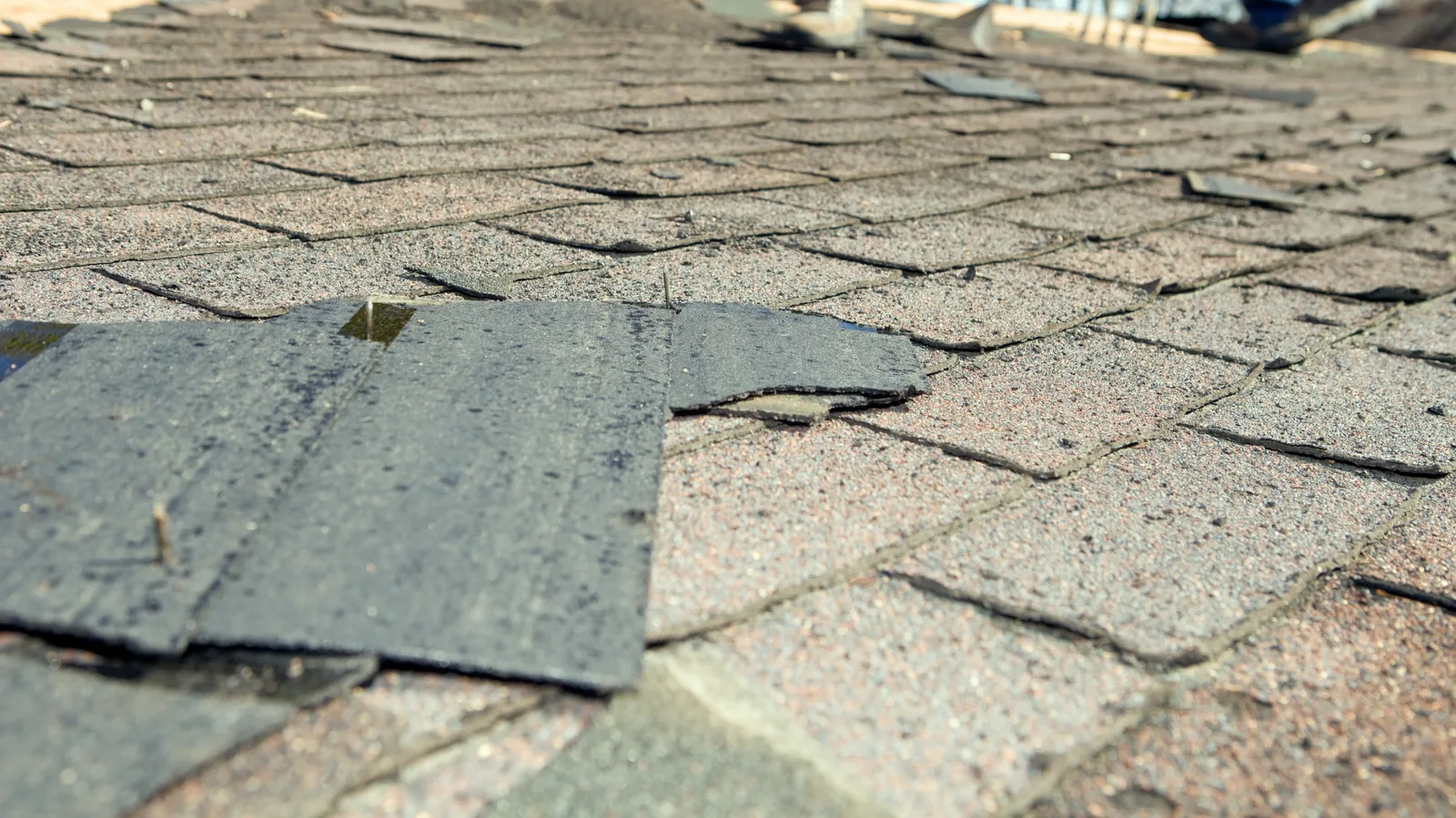
Keep the immediate response simple and safe.
Avoid damaged branches, downed lines, wet electrical fittings and sagging ceilings. Stay off the roof and describe missing material from the ground if visible.
Say whether water is entering now and where it appears. Safe temporary protection can reduce exposure while the repair is planned.
The inspection assesses covering, flashing, edges and openings. Repairability depends on the extent of damage and the serviceability of surrounding material.
Different damage mechanisms lead to different inspection details.
Lifted or displaced shingles and disturbed flashing can create direct water-entry paths. The repair needs to rebuild the overlaps and attachment rather than cover the exposed spot alone.
Impact can affect covering and exposed components. Marks need interpretation in the context of the material, wear and damage pattern rather than an assumption that every dent requires roof replacement.
The roof scope describes the physical repair. A claim payment depends on the policy, covered cause, deductibles and settlement terms.
The Missouri insurance guide explains the difference between actual cash value and replacement-cost settlement. Coverage questions belong with the insurer; a free roofing inspection helps establish the condition and the needed work.
Tell us the concern and the property location. A roof diagnosis is not needed before contacting us. Call (816) 837-4667 or request a free inspection.
Call (816) 837-4667