
A defined failure
An isolated damaged area can point to repair when its surrounding covering and fastening base remain usable. The repair still needs room to rebuild the overlapping layers correctly.
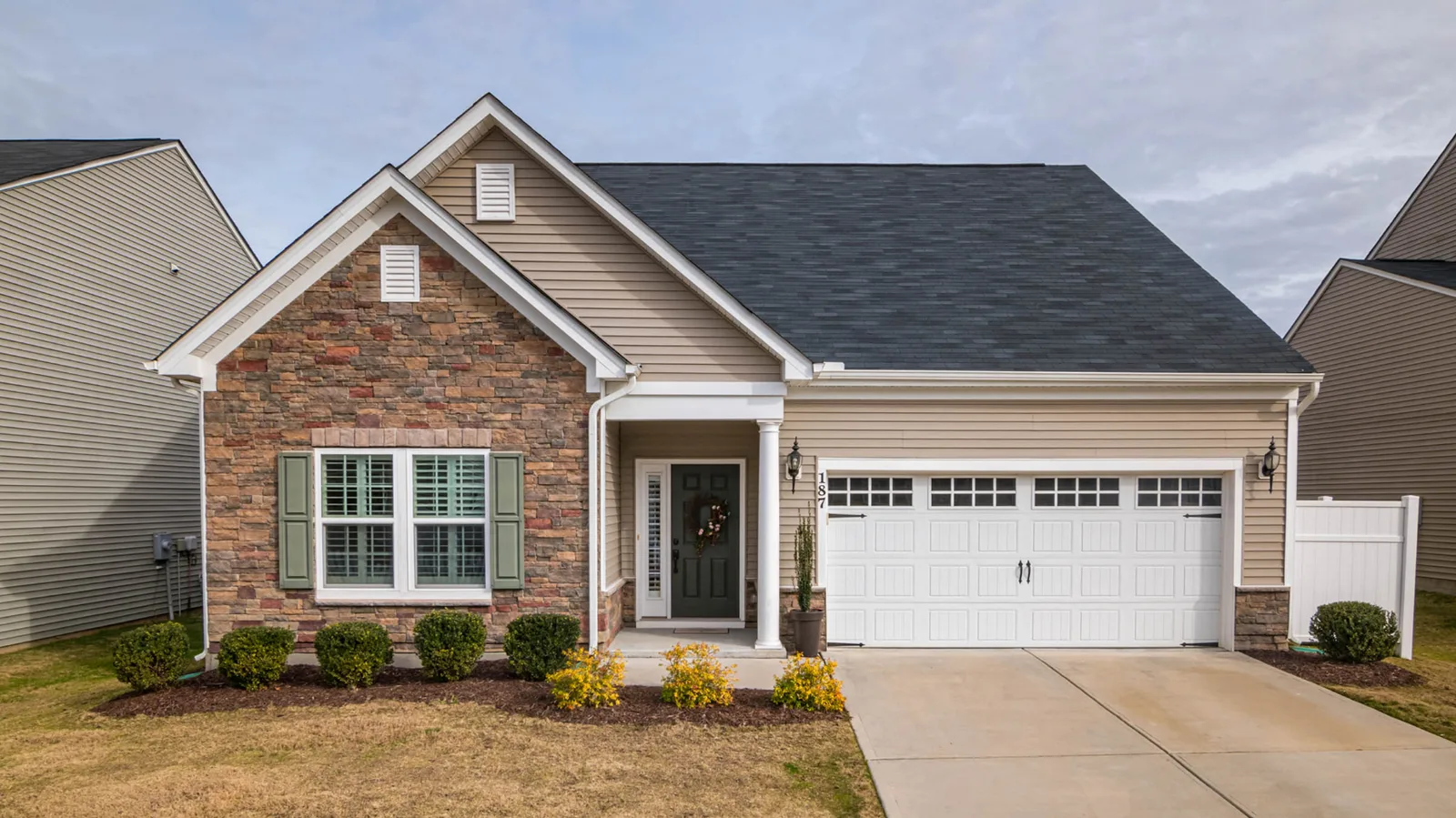
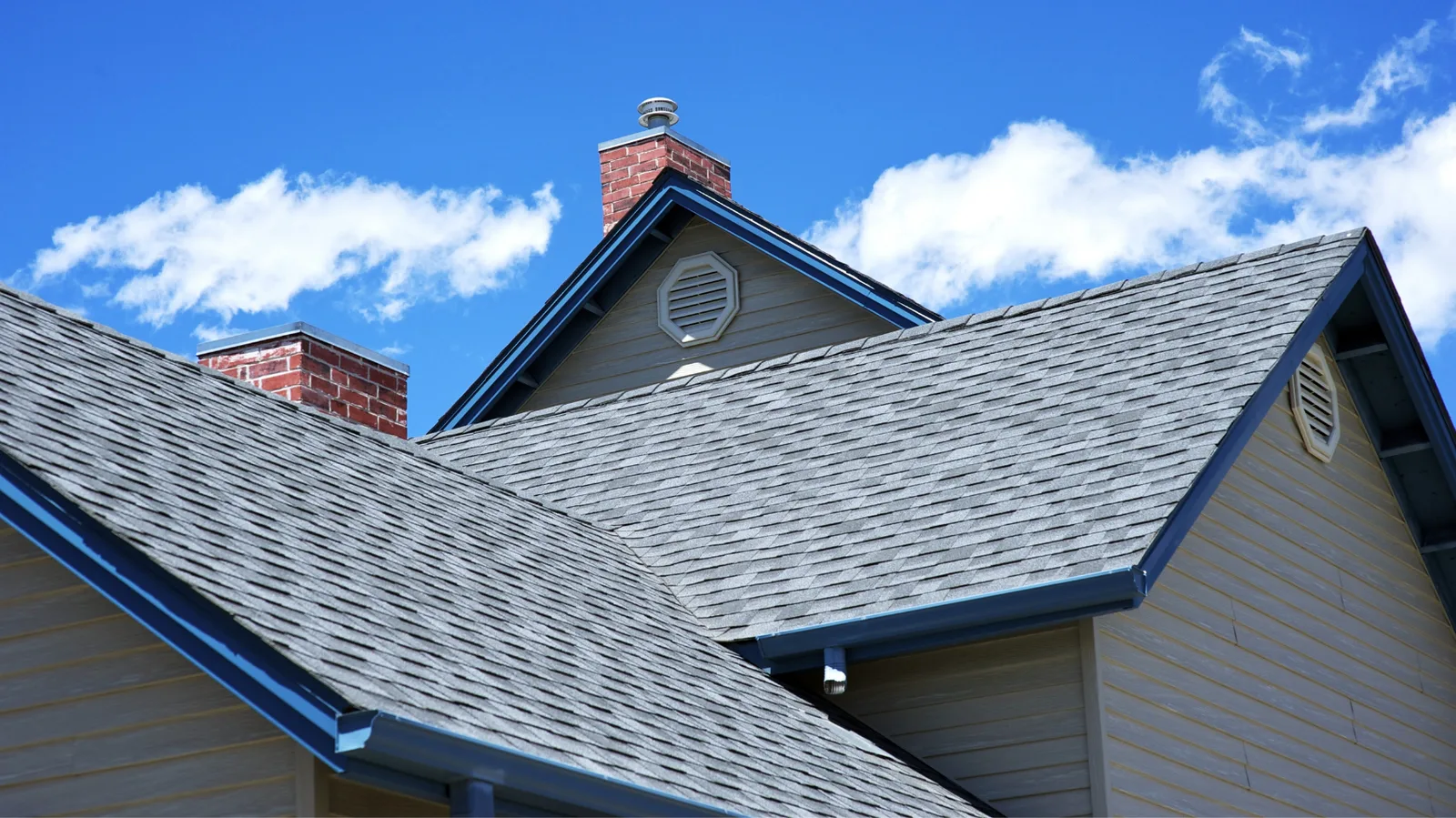
An inspection looks at the covering and the places that interrupt it. Shingle edges, ridges, valleys, pipe boots, chimneys and roof-to-wall junctions can reveal different failure paths.
The concern you describe helps direct the inspection, but the check needs to extend around the visible symptom. A stain beneath a valley, for example, can originate uphill at a wall or opening. Loose material and the condition of adjacent courses matter when judging whether a repair is feasible.
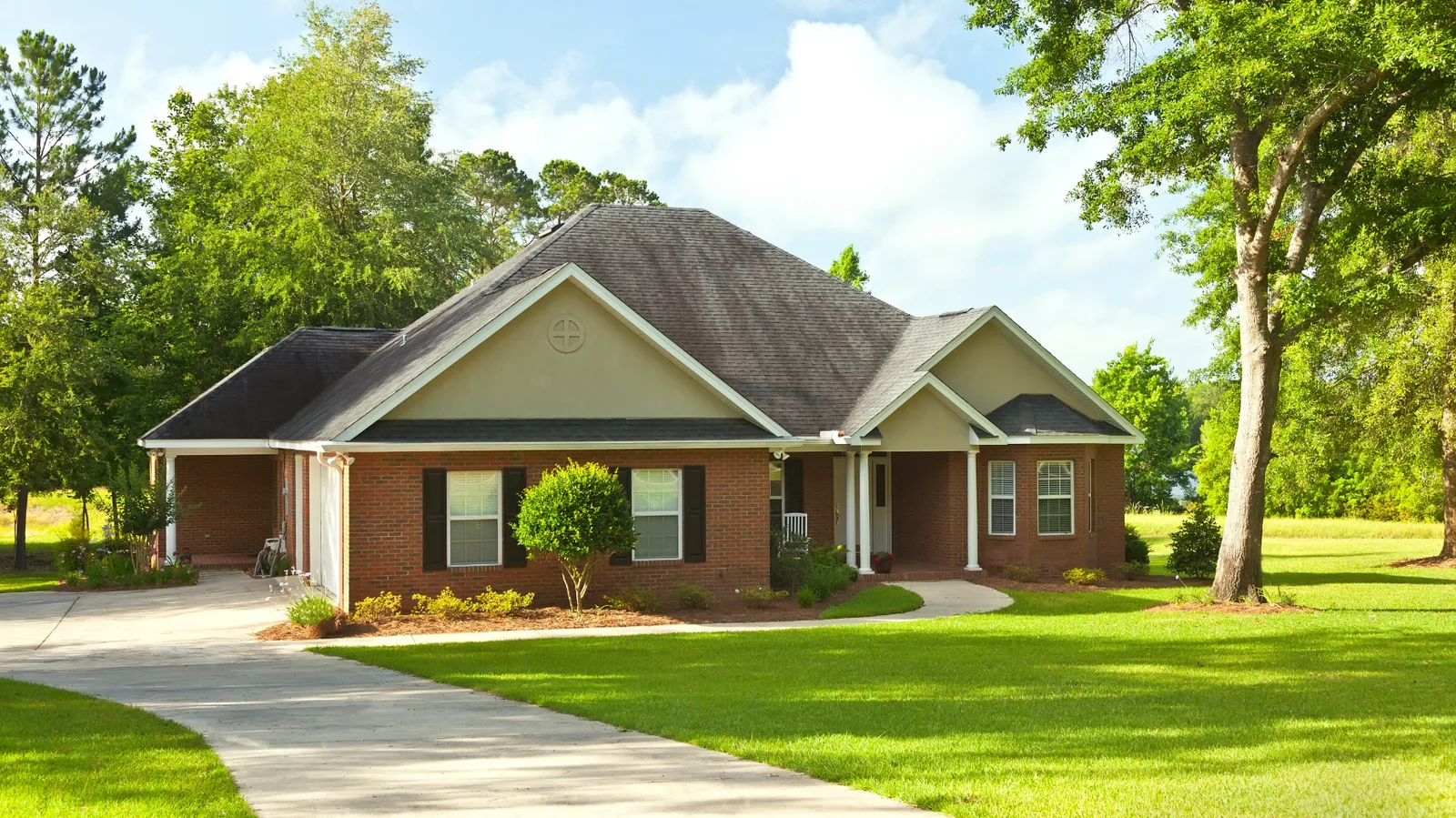
The inspection connects condition to an appropriate scope.
An isolated damaged area can point to repair when its surrounding covering and fastening base remain usable. The repair still needs room to rebuild the overlapping layers correctly.
Brittle shingles, exposed material and repeated failures over multiple slopes can shift the discussion toward replacement. The distribution of damage matters as well as its appearance.
An inspection cannot expose every concealed area. Removing material may reveal weakened decking or old flashing arrangements that change the work. Those possibilities belong in the scope discussion.
A roof walk is useful when conditions permit safe access.
Steepness, height, surface condition and weather can limit a roof walk. The inspection method must suit those conditions rather than force access to a hazardous surface.
The findings help distinguish a repair, further investigation or replacement planning. You do not need to climb onto the roof or supply measurements before requesting the free inspection.
Tell us what you noticed and where the property is. Call (816) 837-4667 or request a free inspection.
Call (816) 837-4667