
Loose or leaking sections
Hangers, joints and the supporting fascia need to be checked together. Fastening a new gutter to deteriorated wood leaves the same support problem beneath it.
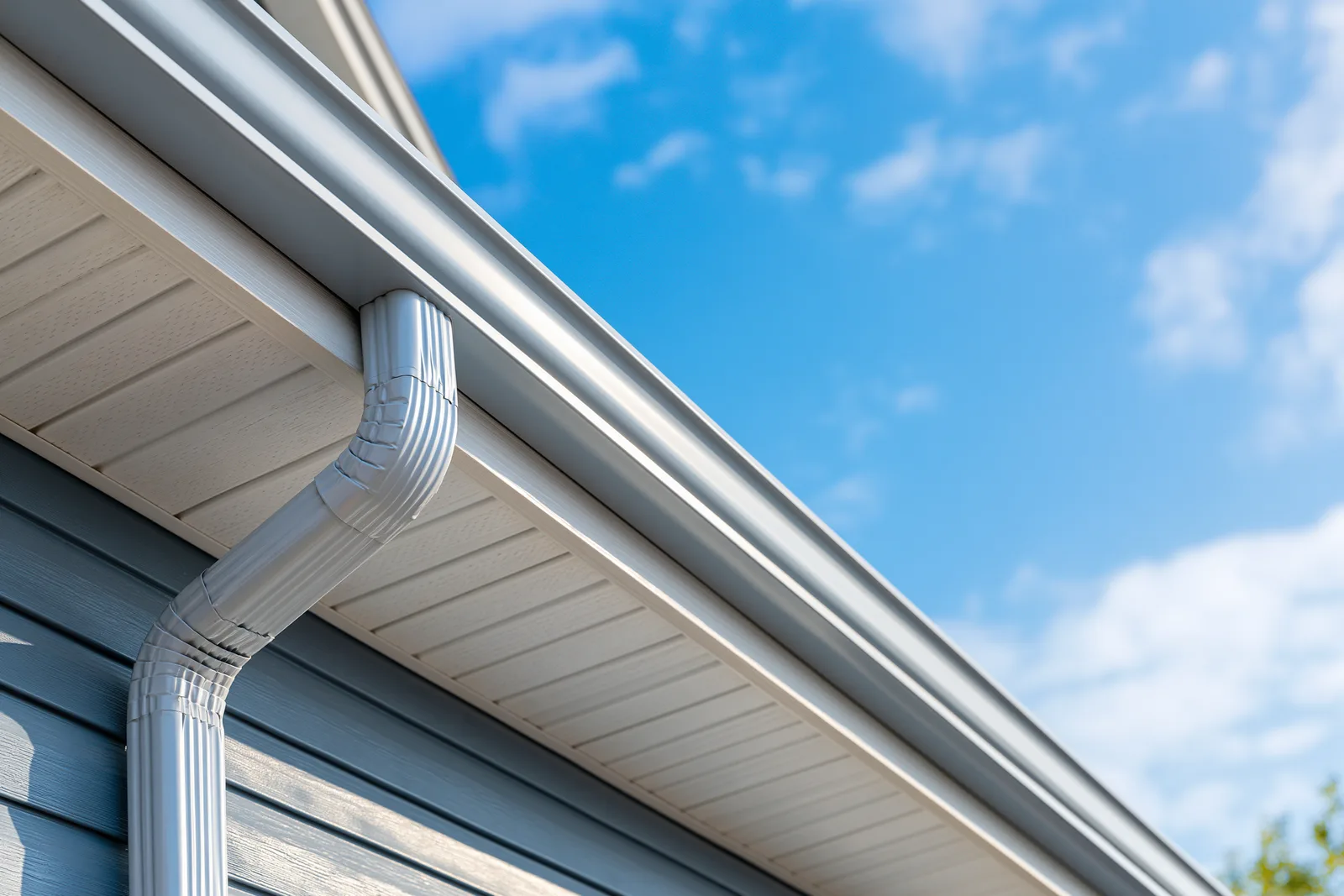
Water needs a clear route from the roof into the gutter, through an outlet and away from the building. A full gutter can overflow because of debris, a poor slope, an undersized or blocked outlet, or a problem at the roof edge.
A gutter replacement alone will not correct water slipping behind the run through an incorrect eave detail. Likewise, clear gutters cannot prevent trouble when a downspout discharges into a place that sends water back toward the building.
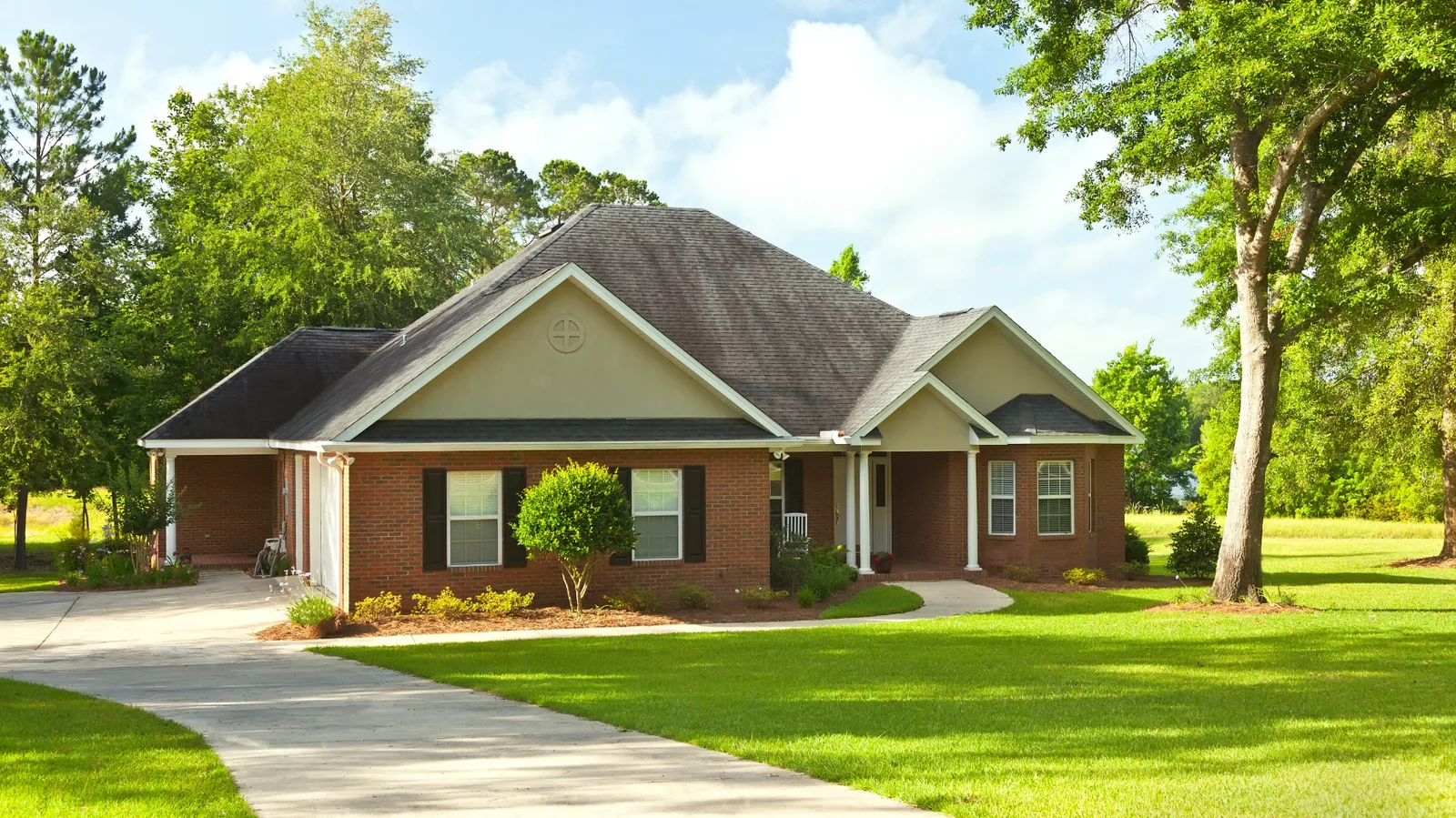
The visible symptom guides the inspection, while the whole run explains it.
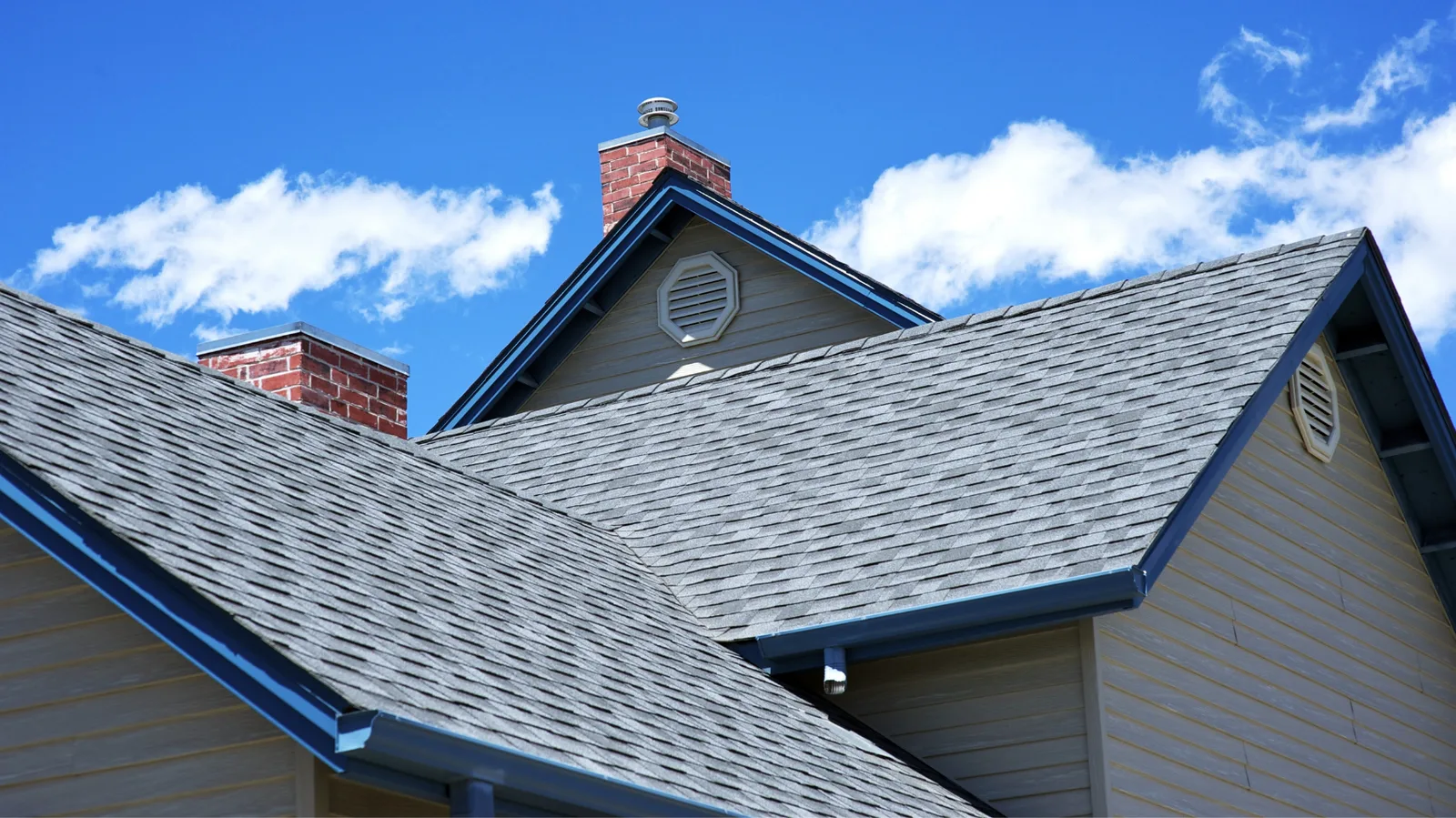
Hangers, joints and the supporting fascia need to be checked together. Fastening a new gutter to deteriorated wood leaves the same support problem beneath it.
Roof area, valleys and concentrated discharge influence the amount and location of flow. The run’s slope and outlet placement need to carry that water through without persistent standing water.
An outlet needs a useful discharge route. Ground conditions and other site drainage determine where an extension helps and where additional drainage work may be needed.
A guard changes debris entry; it does not replace drainage design.
A suitable guard can reduce some debris entering a gutter. The product still needs inspection and maintenance, particularly where material collects on its surface.
A guard cannot repair poor pitch, a failed joint, rotten support wood or an unsuitable discharge route. Those conditions need their own correction.

Describe where the overflow or leak appears. A free inspection can connect the gutter concern to the roof and discharge path. Call (816) 837-4667 or request a free inspection.
Call (816) 837-4667